How to Deal With Dental Implant Pain
(Dental Cosmetic and Implant center) article author : Admin 2026-09-14 22:36:00

Key Takeaways
- Some soreness after a dental implant is a normal part of recovery, and it usually eases within a week to ten days as the surgical site heals.
- Pain that gets worse instead of better, shows up weeks or months after treatment, or comes with swelling, fever, or a loose crown is not typical and calls for a dental checkup with your dentist at Samitivej Chonburi.
- A quick assessment lets your dentist find the cause early, whether that is bite pressure, gum irritation, or a peri-implant infection, and treat it before it affects the implant.
Table of Contents
- What Is a Dental Implant, and How Is It Placed?
- Do Teeth Implants Hurt During the Procedure?
- What Level of Pain Is Normal After a Dental Implant?
- How Long Does Dental Implant Pain Last?
- What Causes Dental Implant Pain?
- Is Dental Implant Pain After 3 Months Normal?
- How Can You Manage Tooth Implant Pain at Home?
- When Should You Contact a Dentist About Dental Implant Pain?
- How Does a Dentist Diagnose Pain Around a Dental Implant?
- How Is Dental Implant Pain Treated?
- Why Choose Samitivej Chonburi for Dental Implant Pain Care?
- Frequently Asked Questions About Dental Implant Pain (FAQs)
Those considering a dental implant have likely asked whether it’s normal to experience gum pain after implant crown placement. Simply put, some mild to moderate pain near a dental implant is normal for the first few days of healing. Post-oral surgery discomfort and inflammation are recognized, normal aspects of recovery, not indicators of a complication in isolation. If you’re wondering about the procedural risks and healing period of a dental implant in Chonburi, consult a dental specialist in Samitivej Dental Cosmetic & Implant Center.
What Is a Dental Implant, and How Is It Placed?
A dental implant is a small titanium post that a dentist places into the jawbone to replace the root of a missing tooth. Once it heals in place, it supports a crown, a bridge, or a denture, giving the replacement tooth a stable foundation to bite and chew on. Patients considering a dental implant procedure usually start with an exam, X-rays, and sometimes 3D imaging to assess gum health and bone volume before the dentist recommends treatment.
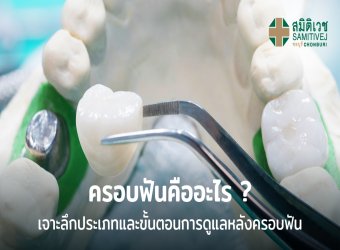
Placement itself is done under local anesthesia. The dentist opens the gum, prepares a small site in the jawbone, and inserts the implant, then attaches a healing cap or a temporary restoration if appropriate. Over the following months, the bone gradually bonds to the implant surface through a process called osseointegration, and bone grafting may be added first in cases where the jaw needs extra support. Once healing is complete, the dentist attaches an abutment and fits a custom crown to restore the tooth's appearance and function.
Do Teeth Implants Hurt During the Procedure?
Local anesthesia numbs the area during placement, so patients typically don’t feel sharp pain as the implant is placed. Most people describe pressure, vibration, or a pushing sensation instead of pain, and sedation is available for anxious patients or for more involved cases, such as multiple implants or bone grafting done at the same time.
Dental implant pain tends to start once the anesthetic wears off, a few hours after the procedure. Pain intensity depends on several factors, including how many implants were placed, whether bone grafting or a tooth extraction was performed at the same visit, and how complex the surgery was overall.
What Level of Pain Is Normal After a Dental Implant?
Mild to moderate discomfort around a dental implant is normal in the first few days, as it’s the body's normal inflammatory response to surgery. Pain doesn’t necessarily mean that something has gone wrong. During this window, patients commonly notice mild to moderate soreness at the implant site with tender or slightly swollen gums and facial swelling or light bruising.
How Long Does Dental Implant Pain Last?
There’s no single timeline that fits every patient, since healing speed depends on the individual and the complexity of the case. As a general pattern, discomfort should be lessening and improving, not worsening, day by day. Tenderness may take longer to subside after more extensive procedures, such as grafting or multiple implants placed in a single visit. Following your dentist's recovery instructions is the best way to stay on a normal healing track and to identify anything unusual early.
What Causes Dental Implant Pain?
Normal Surgical Inflammation
Opening the gum and placing the implant naturally irritates the surrounding tissue, and drilling into the jawbone creates temporary pressure-related soreness. This tenderness is usually more noticeable when bone grafting or a tooth extraction happens during the same appointment.
Infection Around the Surgical Site
Infection after implant placement is uncommon but can occur, causing swelling or worsening tenderness, sometimes accompanied by fever or discharge. Patients should never try to manage a suspected infection with leftover antibiotics from a previous prescription; a dentist needs to evaluate and prescribe treatment directly.
Pressure From a Temporary Crown, Denture, or Healing Cap
A temporary restoration can press on gum tissue that is still healing, and if it isn’t adjusted correctly, chewing near it can feel uncomfortable. This usually points to a simple fit issue rather than a problem with the implant itself.
Bite Problems After the Crown Is Fitted
Once the permanent crown is in place, pain may occur if it contacts the opposing tooth with excessive force. This type of discomfort tends to occur mainly during chewing, and a simple bite adjustment often resolves it.
Gum Pain After Implant Crown Placement
Gum tenderness after a crown is fitted has several possible explanations: the tissue adapting to the new crown shape, leftover cement trapped beneath the gumline, food getting caught around the restoration, difficulty cleaning the area properly, an overcontoured crown putting pressure on the gum, or early-stage gum inflammation.
Peri-Implant Disease
Peri-implant disease refers to inflammation around a dental implant, and in its more advanced form, it involves ongoing loss of the bone that supports the implant. Warning signs include bleeding gums, swelling, a bad taste or discharge, a receding gumline, deepening gum pockets, and, in advanced cases, a loose-feeling implant. Patients with a history of gum disease face a higher risk of both implant failure and peri-implant disease, which is one reason to share periodontal history with your dentist before treatment.
Incomplete Integration With the Bone
For an implant to function properly, it needs to fuse solidly with the surrounding jawbone. Pain when biting or any sense of movement at the implant can suggest that the bonding process has not gone as expected and warrants a closer look.
Nerve Irritation or Injury
Persistent numbness, tingling, burning, or an electric-shock type sensation is different from ordinary post-surgical soreness and should be reviewed promptly. These symptoms point toward nerve involvement rather than routine healing discomfort.
Pain From a Nearby Tooth or Jaw Condition
Sometimes the pain a patient attributes to the implant is actually coming from somewhere close by, such as decay or infection in a neighboring tooth, teeth grinding, strain in the temporomandibular joint, or sinus-related pressure near upper implants.
Is Dental Implant Pain After 3 Months Normal?
Dental implant pain after 3 months falls outside the typical post-operative soreness window, so it is worth having a dentist take a look. By this point, the surgical site should be well past the acute healing phase. Possible explanations include bite overload, gum inflammation, peri-implant disease, incomplete integration with the bone, a loose component, pressure from the crown, or pain that is actually coming from a neighboring tooth. None of these is necessarily serious, but each one needs a specific diagnosis rather than guesswork.
How Can You Manage Tooth Implant Pain at Home?
Managing ordinary post-surgical soreness at home is usually straightforward, and most patients feel steadily better within days if they follow a few simple habits.
- Take pain relief only as prescribed or recommended by the treating dentist, and follow the dosing instructions exactly.
- If there’s a history of stomach, kidney, liver, bleeding, or allergy concerns, or if other medications are involved, check with a doctor before taking any pain reliever.
- Apply a cold compress externally in short intervals during the first day or two, when swelling is most noticeable.
- Stick to soft foods that need minimal chewing, and avoid biting directly over the implant site. Very hard, crunchy, sticky, or very hot foods are best avoided during early healing.
- Keep the mouth clean without disturbing the surgical site, following the brushing and rinsing instructions given at the appointment, and avoid brushing aggressively over fresh tissue.
- Skip smoking and alcohol during recovery, since both can interfere with healing and raise the risk of complications.
When Should You Contact a Dentist About Dental Implant Pain?
While most post-implant discomfort resolves naturally, some indicators suggest contacting your dental team instead of delaying treatment. Warning signs include pain and swelling that worsen rather than improve, and severe pain that over-the-counter or prescription medications can not alleviate. Fever, pus, a lingering bad taste in the mouth, and significant or continuous bleeding are also symptoms.
If there’s numbness, burning, or tingling sensations that do not settle down or if you have difficulty opening the mouth, swallowing, or breathing, it’s worth seeing your dentist about it. Pain when biting directly on the implant crown or a loose implant, crown, or restorative component may necessitate a dental consultation, rather than waiting for the next scheduled visit.
Dental implant pain after 3 months, or any pain that returns after everything had felt fine, or red, swollen, or bleeding gums around an implant that had already healed are also signs that healing isn’t progressing as it should.
How Does a Dentist Diagnose Pain Around a Dental Implant?
A dentist starts with a clinical exam by checking the gums for redness, swelling, bleeding, or discharge, testing the implant and crown for any movement, and reviewing the surrounding teeth along with oral hygiene and gum-pocket depth. Bite assessment comes next, to see whether the crown is making contact too early or carrying more force than it should.
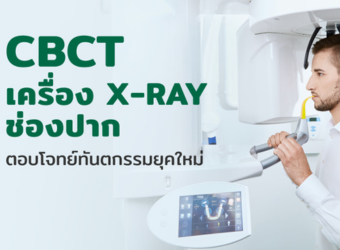
Imaging is also used, such as an intraoral X-ray or panoramic X-ray, a CT, or CBCT scan in certain cases where the dentist needs a fuller picture of the bone. Alongside the physical exam, the dentist reviews relevant medical and dental history, including diabetes control, smoking, prior gum disease, teeth grinding, and current medications, since all of these can influence healing and implant health.

How Is Dental Implant Pain Treated?
Treatment depends entirely on the underlying cause, since pain medication alone cannot correct a bite problem, a loose component, or an infection. Depending on what the exam finds, a dentist might recommend:
- A bite or crown adjustment
- Professional cleaning around the implant
- More detailed guidance on home care and cleaning techniques
- Treatment for gum inflammation or peri-implant disease
- Antibiotics, but only when the exam supports their use
- Repair or replacement of a loose restorative component
- A night guard, for patients whose grinding is putting extra pressure on the implant
- Surgical treatment, for select bone- or implant-related complications
- Implant removal, but only as a last resort, when the implant cannot be reliably maintained
Why Choose Samitivej Chonburi for Dental Implant Pain Care?
Samitivej Chonburi's Dental Cosmetic and Implant Center is based within the hospital, giving patients access to dental implantology and periodontal specialists alongside intraoral, panoramic, and 3D imaging when a case calls for it. Because the center operates inside a hospital setting, patients also have access to broader medical support and specialist treatment if they manage a chronic condition that could affect healing, such as diabetes.
The team assesses the implant, gums, bone, bite, and crown as part of a single care pathway and walks patients through the diagnosis, treatment options, costs, and follow-up plan in plain language. Hospital-grade infection-control and sterilization protocols apply throughout.
Patients dealing with ongoing dental implant pain, swelling, crown discomfort, or pain when chewing can contact Samitivej Chonburi Hospital's Dental Cosmetic and Implant Center for an assessment.
Frequently Asked Questions About Dental Implant Pain (FAQs)
Q: Is it normal to have pain around a dental implant site several weeks after surgery?
Mild tenderness that continues to fade week over week can still fall within normal healing, especially after a more involved procedure such as grafting. If the tenderness stops improving, plateaus, or returns after it has gone away, a dental check is the safer next step.
Q: Can dental implant pain return after everything had felt fine for a while?
Yes. Pain that returns after a period of comfort is not typical and often indicates a change in bite, gum irritation, or an early peri-implant issue rather than leftover surgical soreness. It is worth having it checked rather than waiting to see if it resolves on its own.
Q: Is it safe to take ibuprofen or paracetamol for tooth implant pain?
Many patients can use standard over-the-counter pain relievers for ordinary post-surgical soreness, but the right choice and dose depend on individual health history, other medications, and what the dentist prescribed. Confirm with the treating dentist or pharmacist before combining or exceeding the recommended dose.
Q: Does a dental implant pain evaluation at Samitivej Chonburi require a referral?
No referral is needed. Patients can contact the Dental Cosmetic and Implant Center directly to book an assessment for ongoing implant discomfort, swelling, or bite issues.
Q: Can pain around an implant appear years after it was originally placed?
Yes, and this is usually unrelated to the original surgery. Pain that develops long after placement is more often tied to peri-implant disease, a change in bite over time, or an issue with a nearby tooth, all of which a dental exam can identify.
References
- Is It Common to Experience Pain After Getting Dental Implants? Retrieved on 19 August 2026 from https://www.healthline.com/health/dental-and-oral-health/dental-implant-pain
- Dental Implant Pain Timeline: When Does It Peak? Regent Dental Explains. Retrieved on 19 August 2026 from https://www.regent-dental.co.uk/blog/dental-implant-pain-timeline
- Dental Implant Pain: What to Expect During and After the Procedure. Retrieved on 19 August 2026 from https://urgentcaredental.co.uk/blog/dental-implant-pain




























 Hospital Articles