 Health articles
-
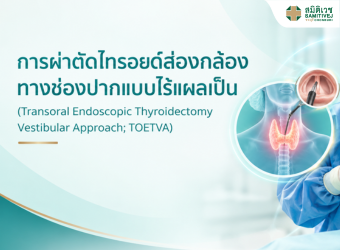
Endoscopic Thyroid Surgery with No Neck Scar (TOETVA): What Is It and Who Is It For?
Highlight: Endoscopic Thyroid Surgery with No Neck Scar (TOETVA): What Is It and Who Is It For? Endoscopic thyroid surgery (TOETVA) through the mouth, with no scar on the neck Transoral thyroid surgery: the scope is inserted through the inside of the lower lip, so there is no need to cut the skin of the neck Who is suitable: a non-cancerous thyroid nodule no larger than 4 cm, or thyroid cancer that has not spread Additional criteria: no previous surgery or radiation to the neck and chin, including hyperthyroidism that has not responded to medication Fast recovery: go home within 24-48 hours and return to daily activities within 1-2 weeks Thyroid surgery in Chonburi: assessed individually by a head and neck specialist at Samitivej Chonburi HospitalRead more -
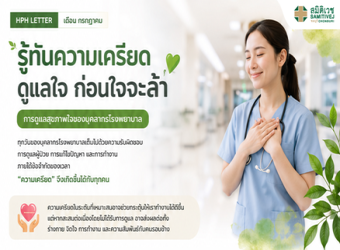
HPH Newsletter – July 2026
- Recognize Stress and Its Warning Signs — Understand the physical, emotional, cognitive, and behavioral signs of stress, helping healthcare professionals recognize and take care of their mental well-being at an early stage. -5 Ways to Support Mental Well-Being at Work — From taking short breaks and practicing slow breathing to maintaining a balanced diet, exercising, getting enough sleep, and talking with someone you trust. -Caring for the Caregivers — Good physical and mental well-being among healthcare professionals is an important foundation for creating a Healthy Workplace and providing quality patient care. -You Don't Have to Face Stress Alone — If ongoing stress begins to affect your sleep, daily life, relationships, or work, consider talking with someone you trust and seeking advice from a healthcare professional. -Healthy Mind → Healthy Staff → Healthy Workplace → Healthy HospitalRead more -
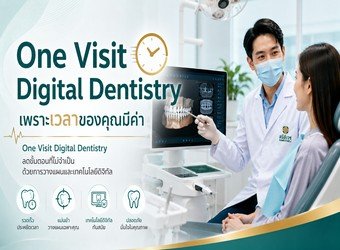
One Visit Digital Dentistry
One Visit Digital Dentistry combines digital technology and coordinated dental care to help reduce unnecessary waiting time and dental visits. Digital Restoration uses Digital Scanning and Chairside CAD/CAM to provide crowns, inlays, onlays, and selected veneers through a fully digital workflow. Same-Day Dentistry, when clinically appropriate, may allow the Scan → Design → Fabrication → Delivery process to be completed in a single visit. Digital Implant Dentistry combines Dental CT, Digital Scanning, and Digital Wax-Up for detailed 3D implant treatment planning. Immediate Implant Placement and Same-Day Provisional Restoration may be possible when clinical conditions are suitable. Coordinated Specialist Care brings a multidisciplinary dental team together in one center, helping streamline treatment planning and appointments.Read more -

Advice for Parents of Children with Food Allergies
Recognize the signs of food allergies in children, such as hives, swollen lips, vomiting, and difficulty breathing. Symptoms may appear within 2 hours after eating. Manage your child's food allergy safely by reading food labels carefully, avoiding allergenic foods, and preventing cross-contamination during food preparation. Common food allergens in children include cow's milk, eggs, peanuts, tree nuts, soy, wheat, fish, and shellfish. If your child develops a severe allergic reaction, use an Epinephrine Auto-Injector (if prescribed by your doctor) and seek emergency medical care immediately. Some children outgrow food allergies as they get older. Regular follow-up with a pediatrician is important to monitor their condition and reassess food allergies over time.Read more -

HPV : The Hidden Virus Behind Many Cancers
HPV is a major cause of cervical cancer and several other HPV-related cancers. HPV vaccination can reduce the risk of cervical cancer by 70–90%, depending on the type of vaccine. Both girls and boys should receive the HPV vaccine to help prevent HPV infection and related diseases.Read more