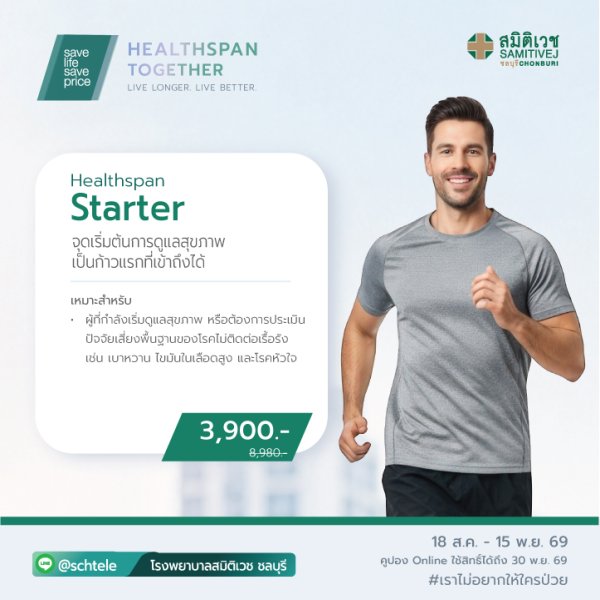
Save Life Save Price Health Check-up Programs 2026 Choose the Right Health Check-up Program for Every Stage of Life
Those who want to start with a basic health check-up and understand their health risks Those who want to assess their risk of diabetes, high cholesterol, and heart disease Those who want to monitor body weight, muscle mass, and body fat Those who want to develop a long-term preventive health plan
6,900 THB / set
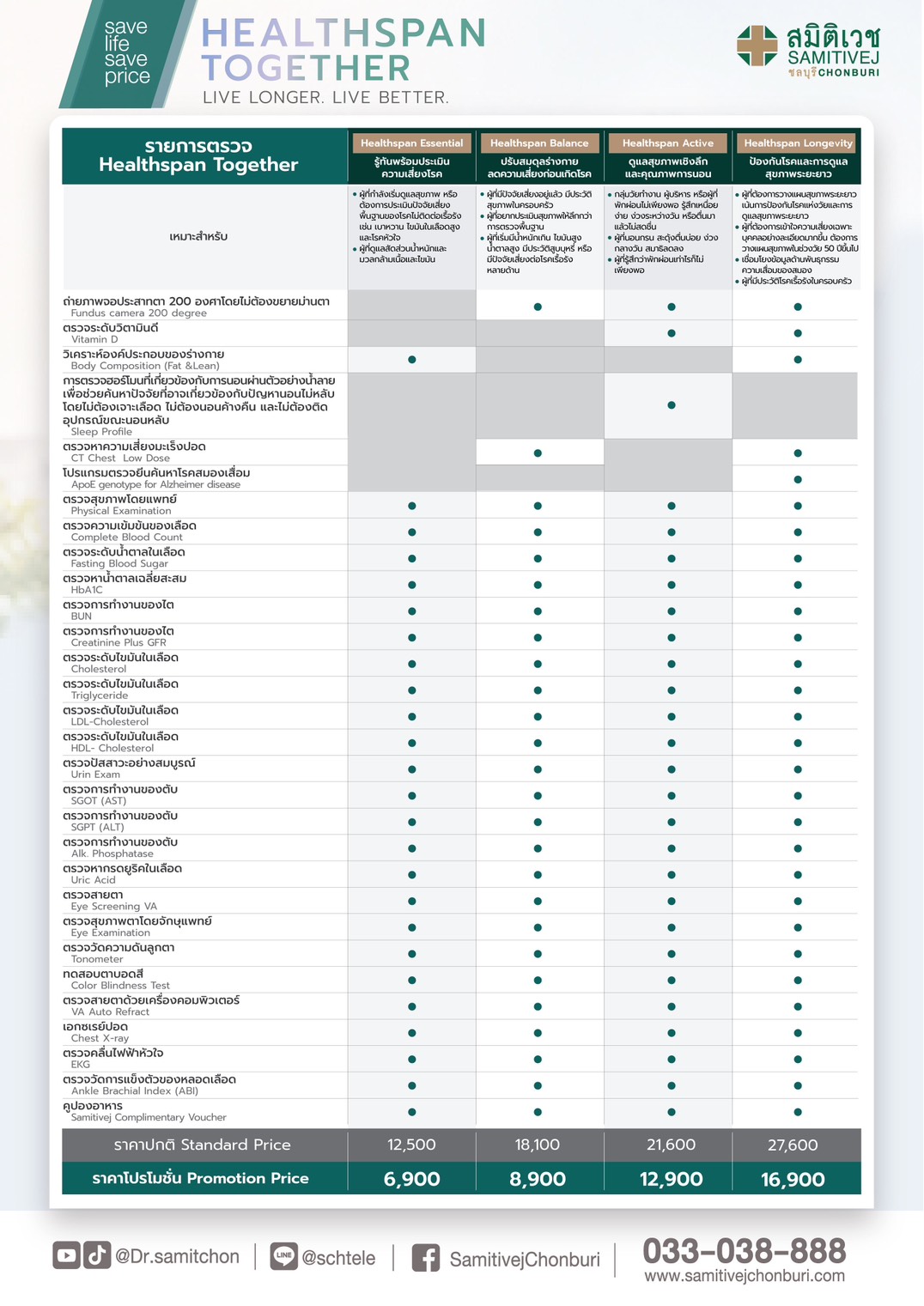
Healthspan Health Check Programs for Every Stage of Life
Save Life Save Price 2026
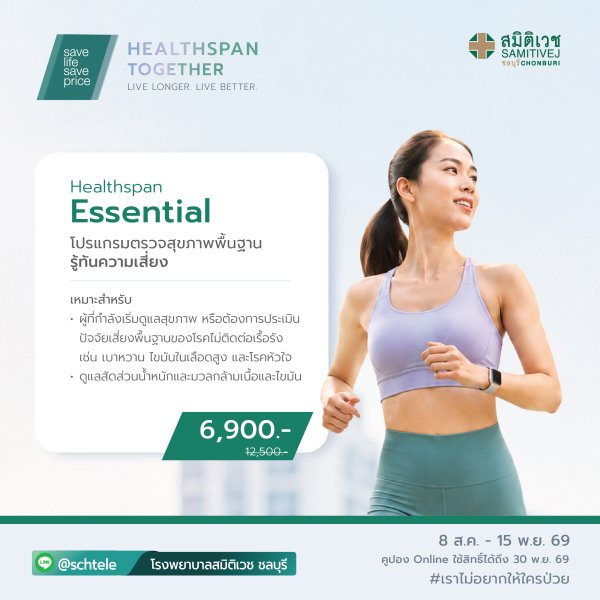
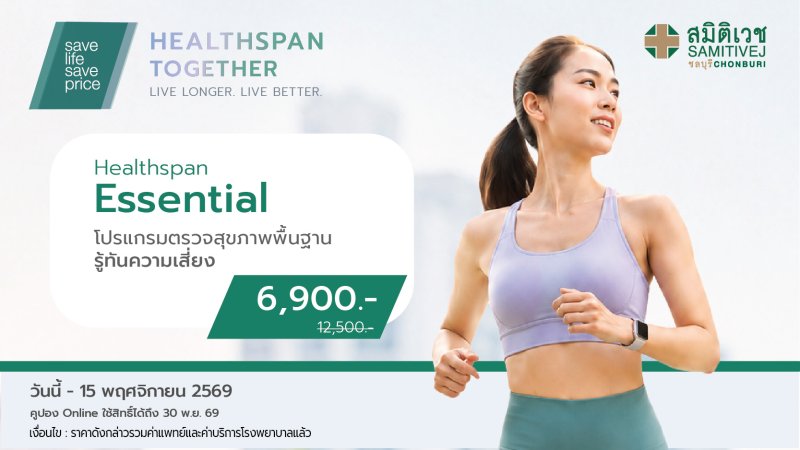
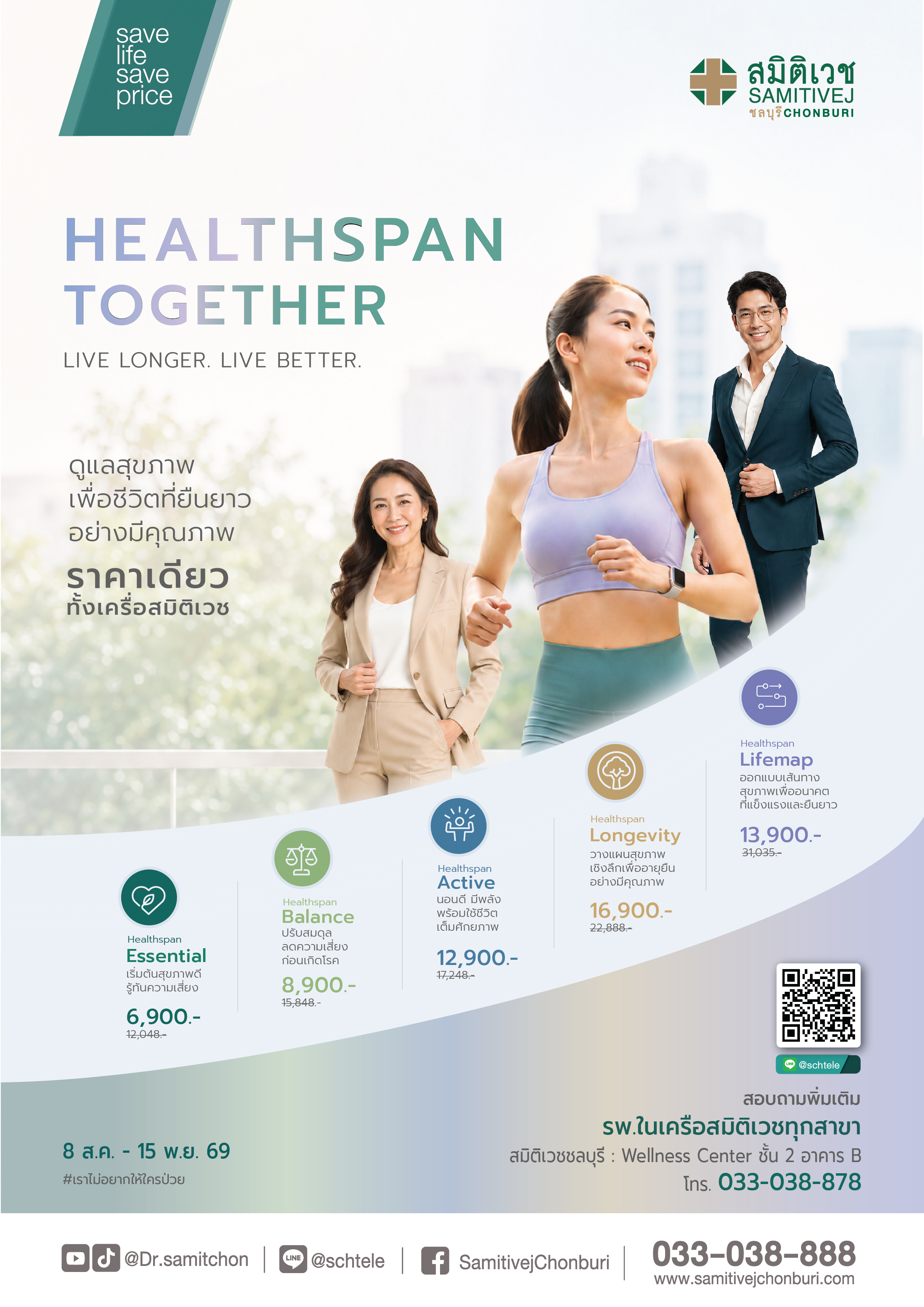
1. Healthspan Essential
Essential Health Check Program for Early Risk Detection
THB 6,900
Suitable for women and men aged 18 years and above who want a basic health check-up, assess their risk of NCDs, and evaluate body composition to start planning their long-term health.
- Those who want to start with a basic health check-up and understand their health risks
- Those who want to assess their risk of diabetes, high cholesterol, and heart disease
- Those who want to monitor body weight, muscle mass, and body fat
- Those who want to develop a long-term preventive health plan
2. Healthspan Balance
Health Check Program for Early Disease Risk Prevention
THB 8,900
Suitable for women and men aged 18 years and above who want to assess their health and identify potential health risks before disease develops.
- Those with health risk factors or a family history of disease
- Those who are overweight, have high cholesterol or high blood sugar, have a history of smoking, or have multiple risk factors for chronic diseases
- Those who want to undergo lung cancer screening
3. Healthspan Active
In-Depth Health Check & Sleep Health Program
THB 12,900
Suitable for women and men aged 30 years and above who want a more in-depth health assessment and evaluation of sleep quality.
- Working professionals, executives, or those who do not get enough sleep
- Those who frequently feel tired, sleepy during the day, or unrefreshed after waking up
- Those who snore, wake up frequently during the night, experience daytime sleepiness, or have difficulty concentrating
- Those who feel that no matter how much they sleep, they still do not feel sufficiently rested
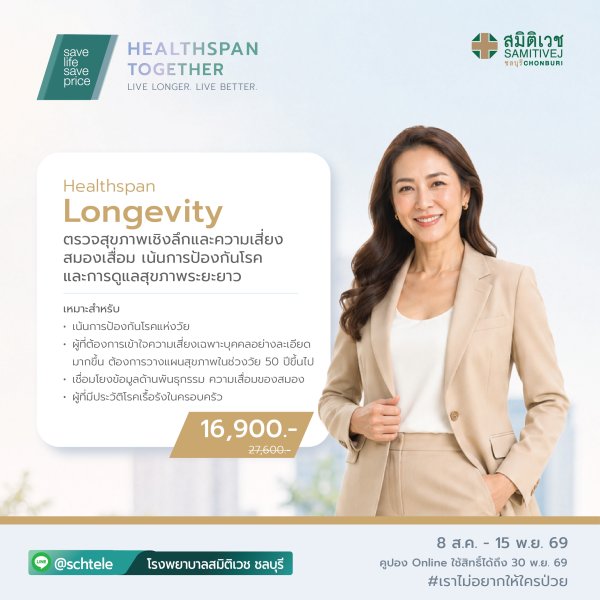
4. Healthspan Longevity
Preventive Health & Long-Term Wellness Program
THB 16,900
Suitable for women and men aged 40–50 years and above who want to develop a long-term health screening and preventive care plan.
- Those who want to develop a long-term health plan, focusing on preventing age-related diseases and maintaining long-term wellness
- Those who want a more comprehensive understanding of their individual health risks
- Those with a family history of chronic diseases
- Those who want to assess their risk of cognitive decline and dementia
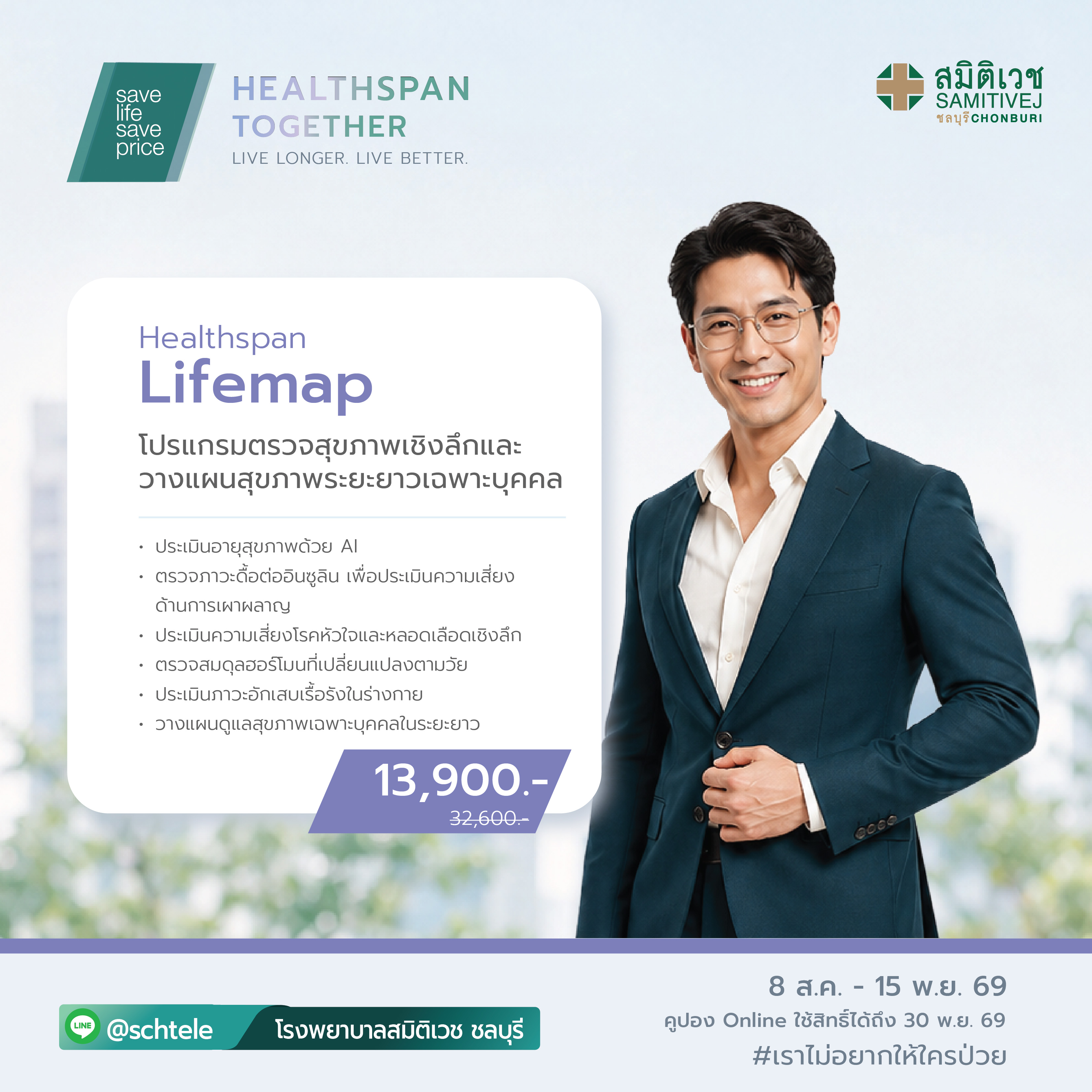
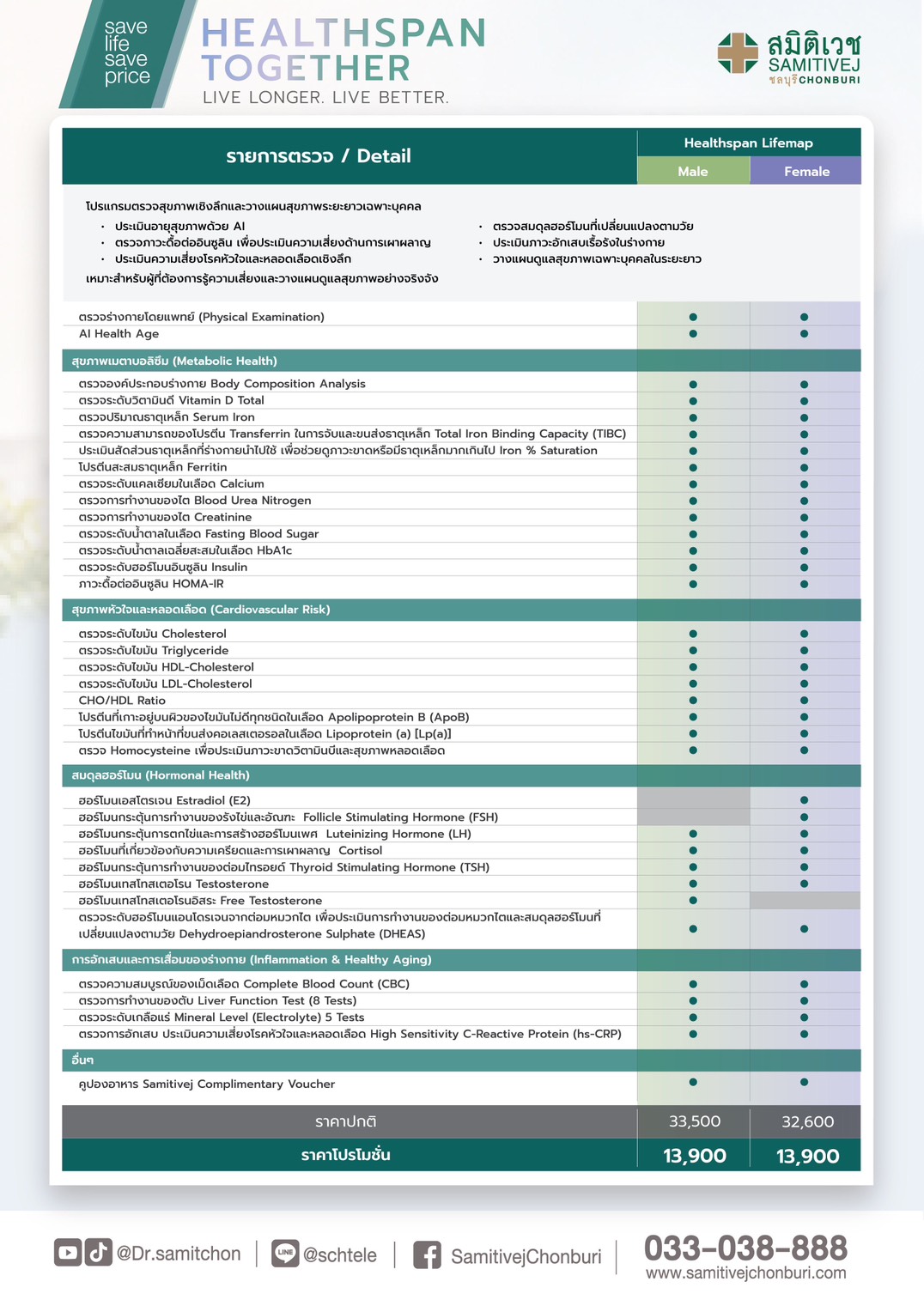
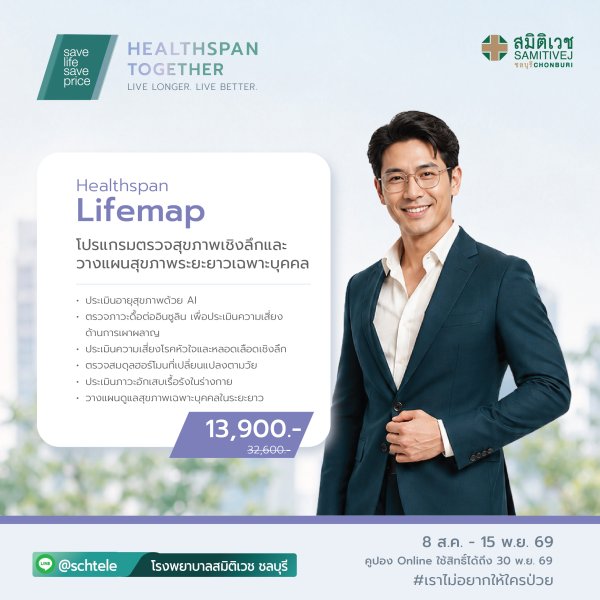
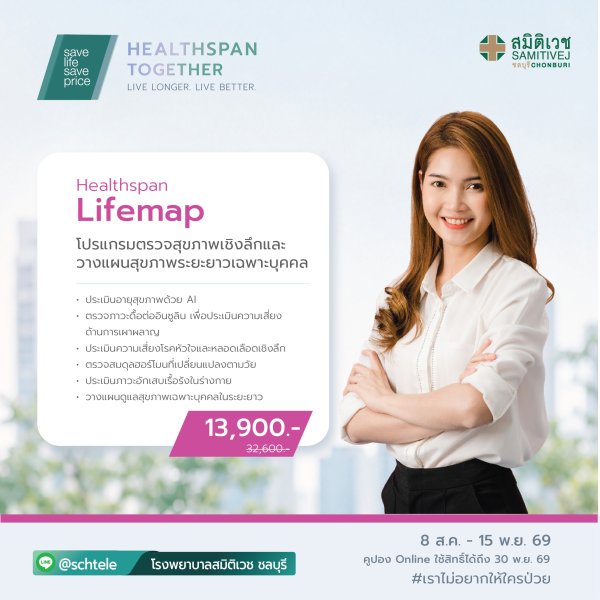
Healthspan Lifemap Program
THB 13,900
Suitable for women and men aged 30 years and above who want a personalized health screening plan and a more in-depth approach to long-term health management.
- Those who want to assess age-related hormonal changes and hormone balance
- Those who want to evaluate chronic inflammation in the body
- Those who want an in-depth assessment of cardiovascular and heart disease risk
- Those who want to assess metabolic health and related risk factors
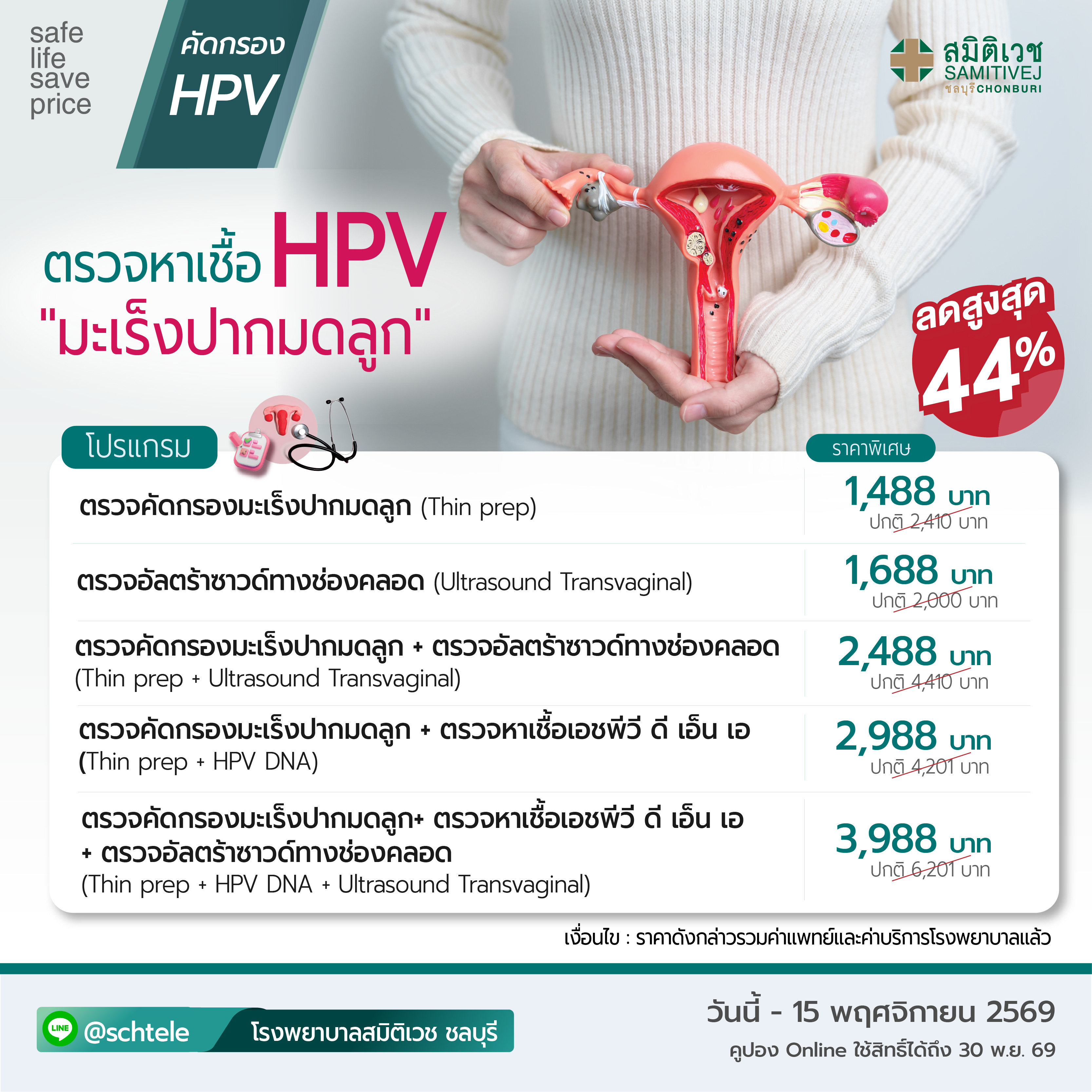
Why Should Women Get Cervical Cancer Screening?
Cervical cancer is one of the most common cancers affecting women. Most cases are associated with Human Papillomavirus (HPV) infection. In its early stages, cervical cancer often causes no noticeable symptoms, making regular screening important for detecting abnormalities early.
HIGHLIGHTS
- Early-stage cervical cancer often has no symptoms. Screening helps detect abnormal changes at an early stage.
- Detects abnormal cervical cells before they develop into cancer, allowing timely treatment or preventive management.
- Early detection can improve treatment outcomes and increase the chance of successful treatment.
- Helps reduce the risk of death from cervical cancer through appropriate follow-up and treatment.
- Women who are sexually active should undergo regular screening, even if they have no symptoms.
- HPV testing can be combined with cervical screening to provide a more comprehensive assessment of cervical cancer risk.
Who Should Get Screened?
- Women aged 21 years and above, or those who have become sexually active
- Women aged 30 years and above may consider an HPV DNA Test together with a Pap Smear, based on medical advice
- Women with a history of abnormal cervical screening results or those at increased risk of HPV infection

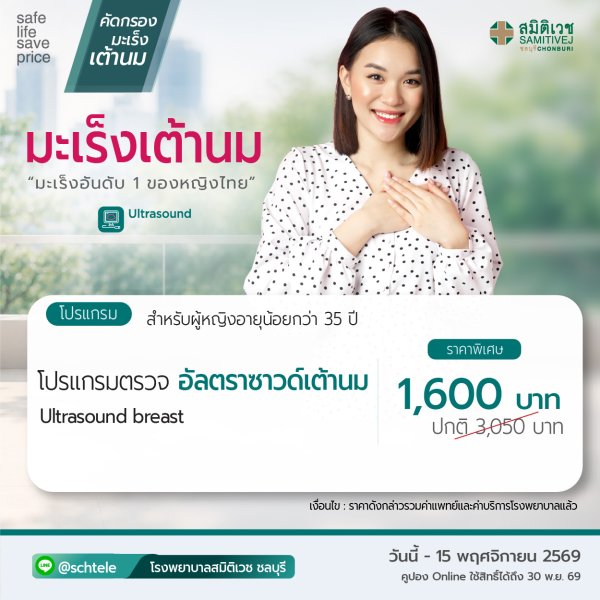
Why Should Women Get Breast Cancer Screening?
Breast cancer is one of the most common cancers affecting women. In its early stages, there may be no noticeable lump or symptoms, making regular screening important for detecting abnormalities early, improving treatment opportunities, and supporting appropriate healthcare planning.
HIGHLIGHTS
- Detect abnormalities at an early stage, even before symptoms appear.
- Help identify lumps or other abnormalities that may not be detectable through self-examination.
- Early detection can lead to earlier treatment and more appropriate treatment options.
- Women who are older or have a family history of breast cancer should consult a doctor about the appropriate screening method and frequency.
- Breast cancer screening may include Mammography and/or Ultrasound, depending on age and individual risk factors.
Who Should Pay Particular Attention?
Women aged 40 years and above should consult a doctor to develop an appropriate breast cancer screening plan, particularly those with a family history of breast cancer or other risk factors.
“No symptoms does not mean no risk.” Appropriate screening can help detect abnormalities early and improve the chances of effective treatment.
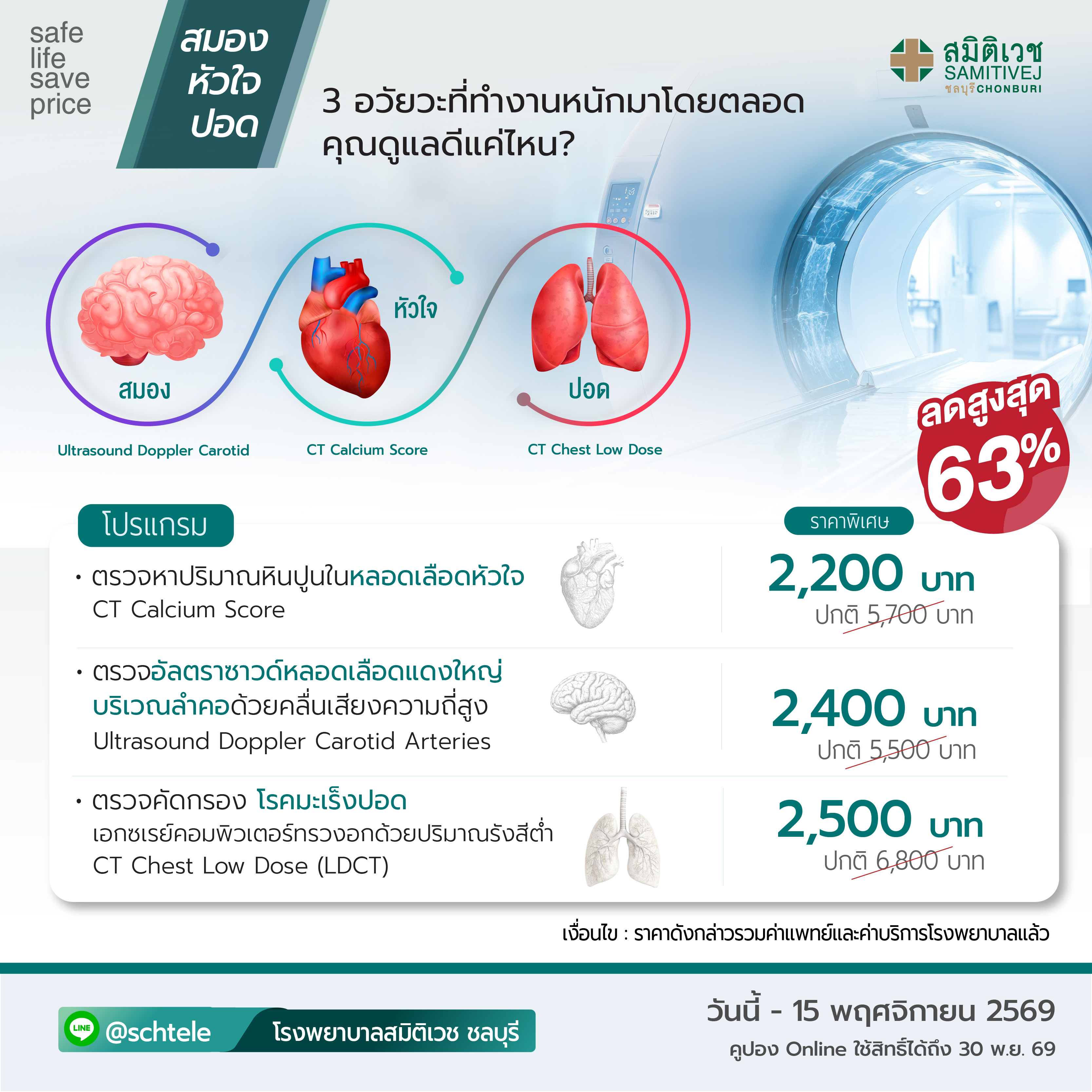
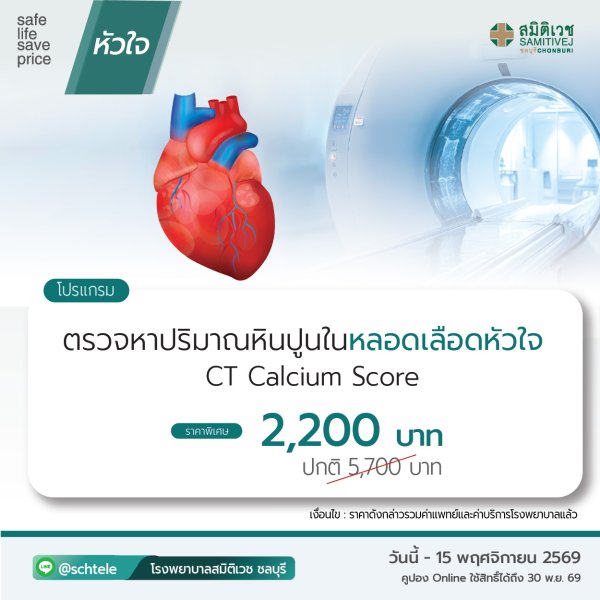
Why Should You Get a CT Calcium Score?
A CT Calcium Score measures the amount of calcium deposited in the coronary arteries. It helps assess the risk of coronary artery disease and provides valuable information for doctors to develop an appropriate heart health management plan, particularly for individuals with risk factors such as high cholesterol, diabetes, high blood pressure, or a family history of heart disease.
Why Should You Get a Carotid Doppler Ultrasound?
A Carotid Doppler Ultrasound evaluates the carotid arteries in the neck to detect narrowing or plaque buildup in the arterial walls. The results provide important information for assessing the risk of stroke and other future vascular conditions.
Why Should You Get a Low-Dose CT Chest?
A Low-Dose CT Chest uses low-dose computed tomography to help detect lung abnormalities, such as lung nodules or lesions, with greater detail than a conventional chest X-ray. It may be particularly beneficial for individuals at increased risk of lung disease, especially those with a history of smoking.
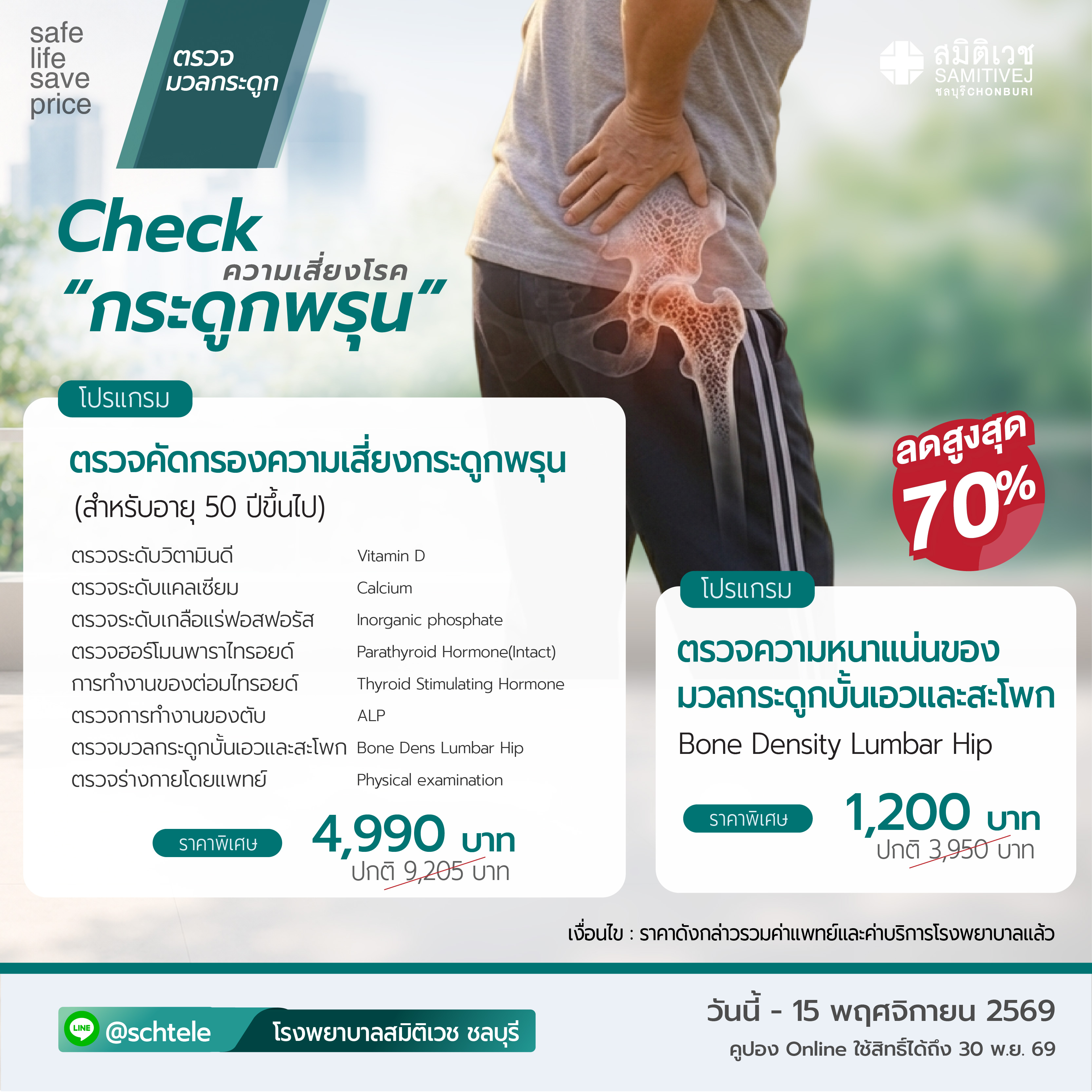
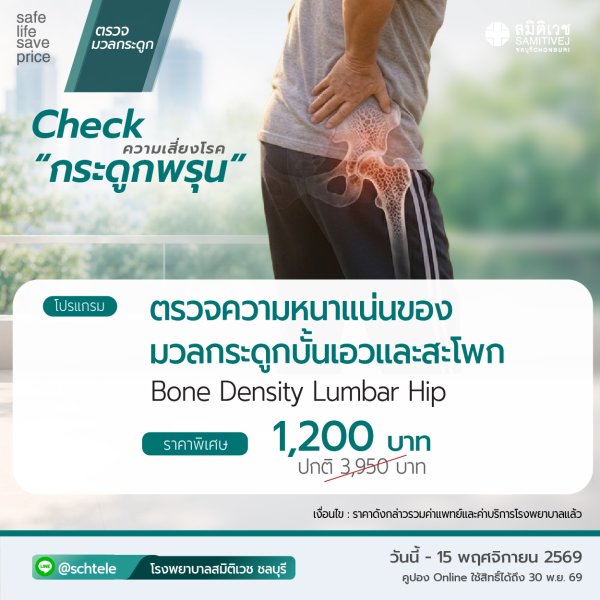
Why Should You Screen for Osteoporosis Risk?
Osteoporosis often has no noticeable symptoms in its early stages and may only become apparent after a fracture occurs. Osteoporosis risk screening is therefore important for assessing bone strength and identifying potential abnormalities at an early stage.
Screening is particularly important for postmenopausal women, older adults, and individuals with risk factors for osteoporosis. It can help provide a better understanding of bone health and support appropriate preventive care, including nutrition, exercise, and treatment based on medical advice.
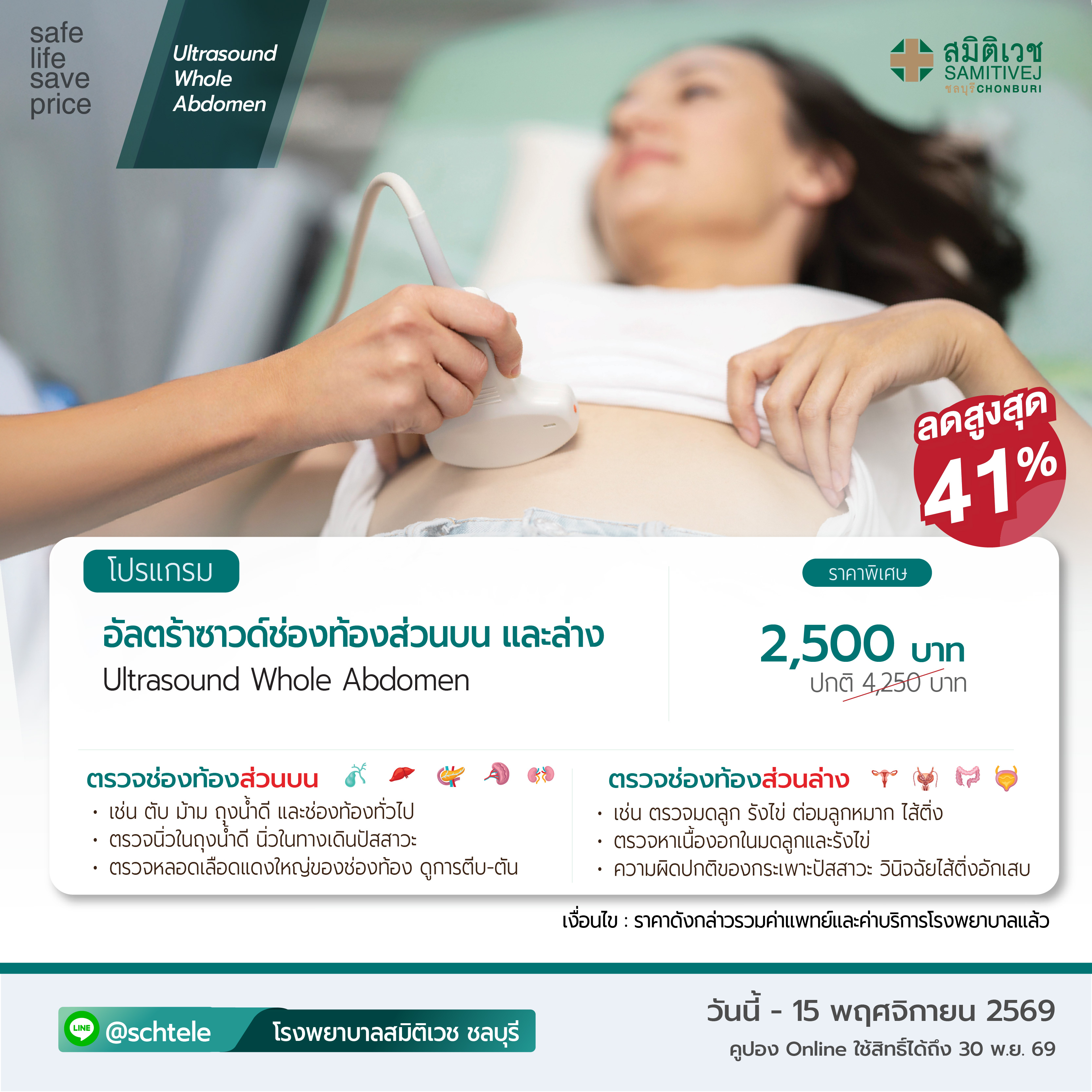
Why Should You Have an Abdominal Ultrasound?
Abdominal Ultrasound is a non-invasive imaging test that uses sound waves to examine organs and structures within the abdomen. It can help assess the liver, gallbladder, kidneys, pancreas, spleen, and certain blood vessels without exposing the body to radiation.
The examination can help detect certain abnormalities at an early stage, such as fatty liver, gallstones, cysts, masses, or other abnormalities of abdominal organs. Some conditions may not cause noticeable symptoms in their early stages.
Who Is It Suitable For?
Abdominal ultrasound is suitable for people who want to undergo a preventive health check-up, as well as those with risk factors such as being overweight, having high blood cholesterol, regularly consuming alcohol, having a history of liver disease, or experiencing unexplained abdominal pain.
“See what’s happening inside your body, identify potential risks early, and take proactive steps toward better health.”
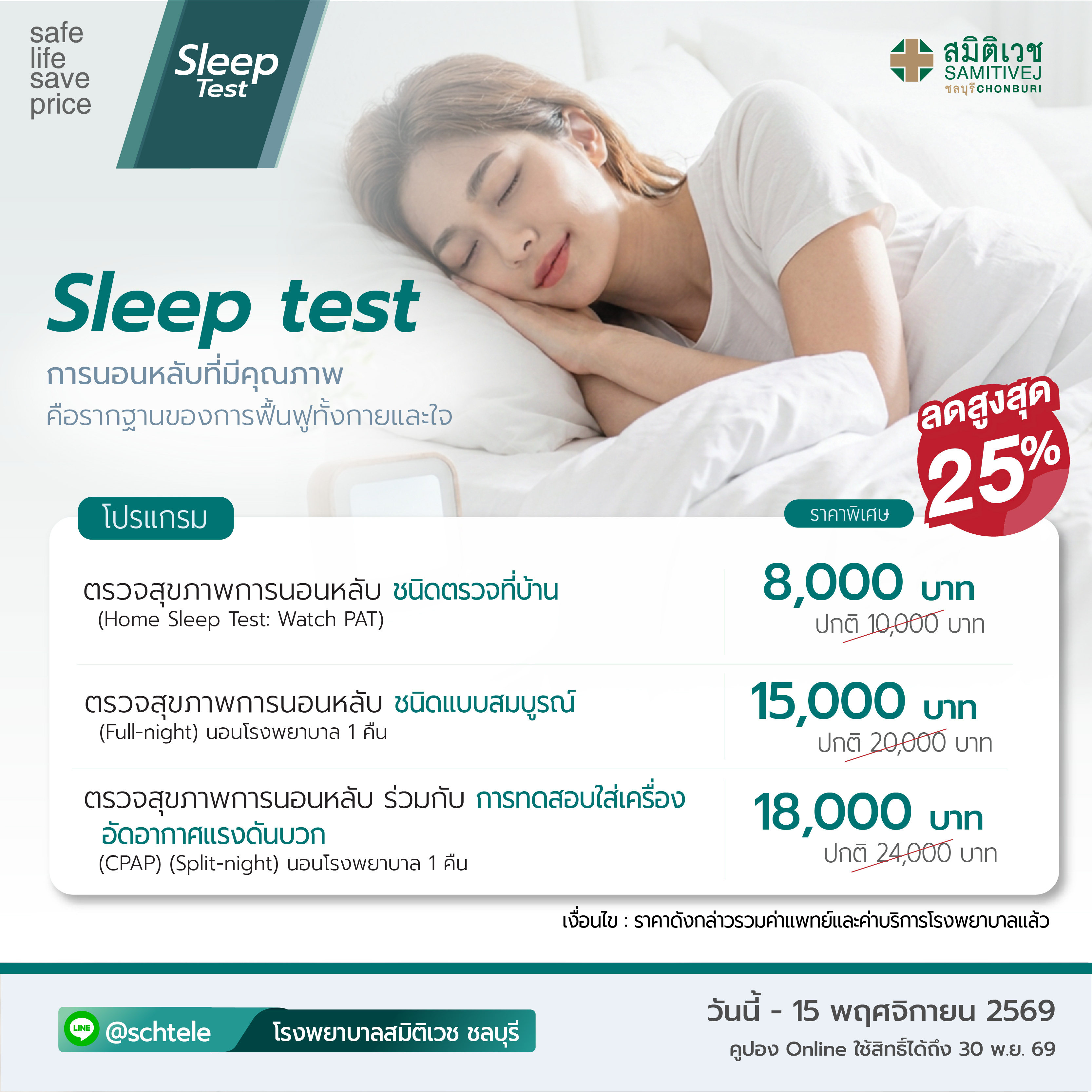
Why Should You Have a Sleep Health Assessment?
Quality sleep is an essential foundation of overall health. Insufficient sleep or sleep disorders can affect concentration, mood, metabolism, and cardiovascular health.
A Sleep Health Assessment helps evaluate your sleep quality and sleep patterns, as well as identify the risk of sleep disorders such as obstructive sleep apnea. The results can help guide appropriate lifestyle adjustments and personalized sleep care.
Who Is It Suitable For?
- People who snore regularly or have unusually loud snoring
- Those who frequently wake up during the night, have restless sleep, or wake up feeling unrefreshed
- People who experience daytime sleepiness, fatigue, or difficulty concentrating
- Those who may be at risk of sleep apnea
- People who are overweight or have other risk factors associated with sleep disorders
- Anyone who wants to assess sleep quality and take a preventive approach to better health
“Sleep well, recover better. Understand your sleep quality to take better care of your health.”
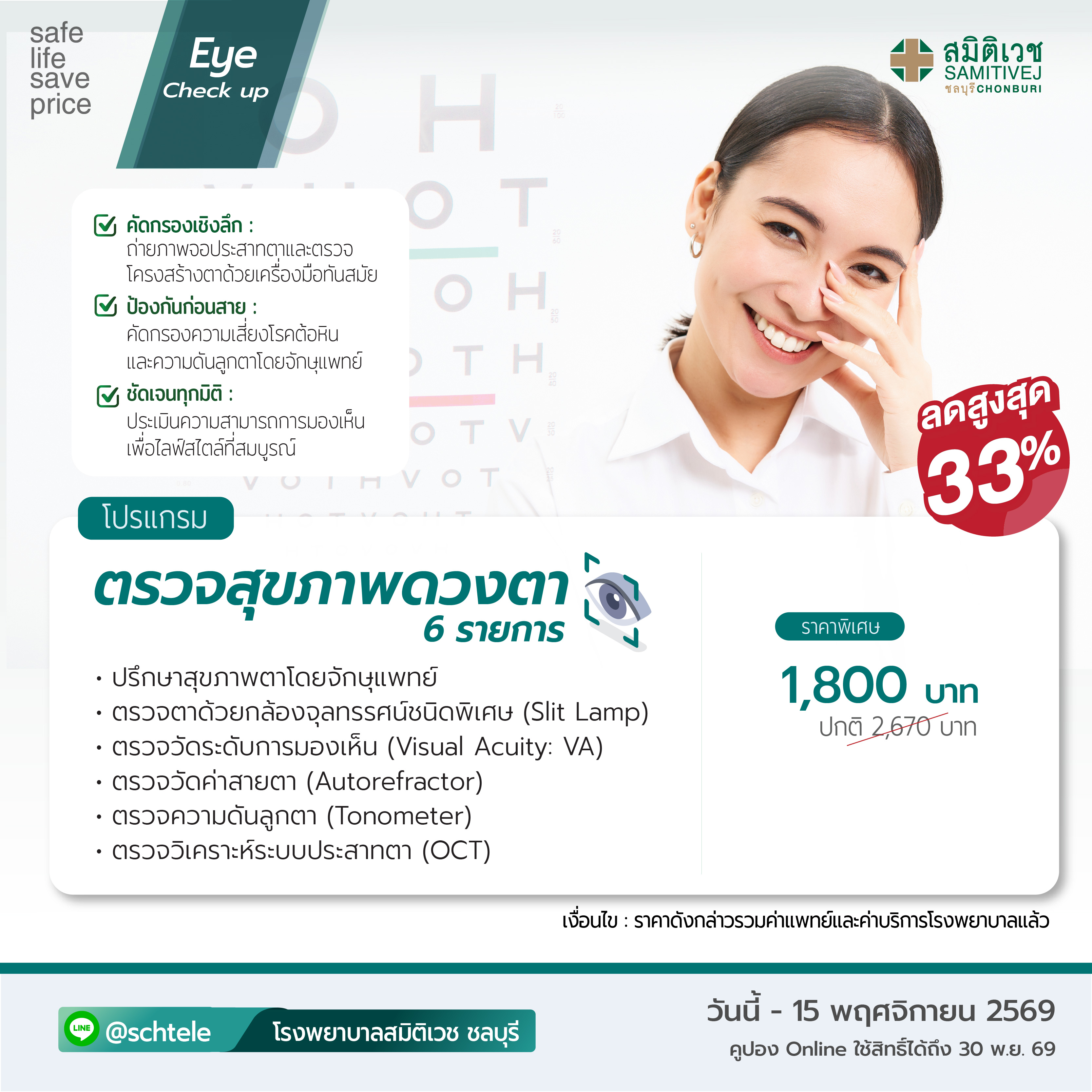
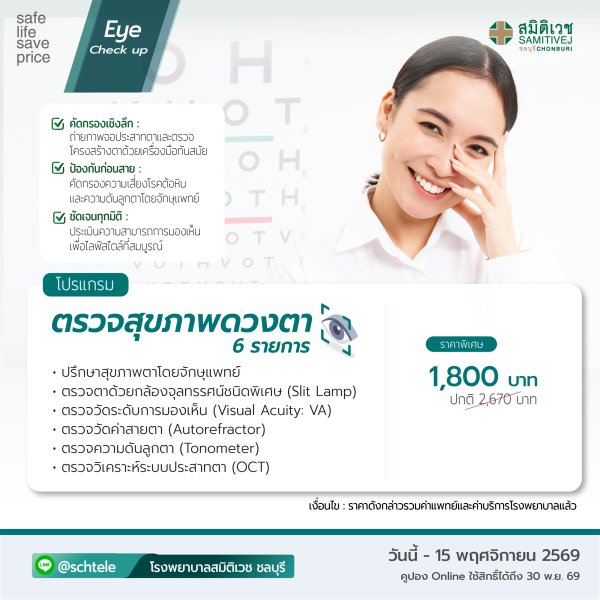
Why Should You Have an Eye Health Check-Up?
Eye conditions may develop without noticeable symptoms in the early stages. An eye health check-up helps assess vision and identify potential risks of eye diseases that may affect your vision in the future, such as glaucoma, cataracts, and retinal abnormalities.
Regular eye examinations can help detect abnormalities early and support appropriate treatment and management. They are particularly important for older adults, people who spend long hours looking at screens, and those with underlying health conditions that may affect eye health.
Who Is It Suitable For?
- People who are getting older and want to have regular eye health check-ups
- People who spend long hours using computers, smartphones, or other digital screens
- Those experiencing blurred vision, eye pain, eye strain, or changes in vision
- People with underlying conditions such as diabetes or high blood pressure
- Anyone who wants to screen for potential eye abnormalities as part of preventive healthcare
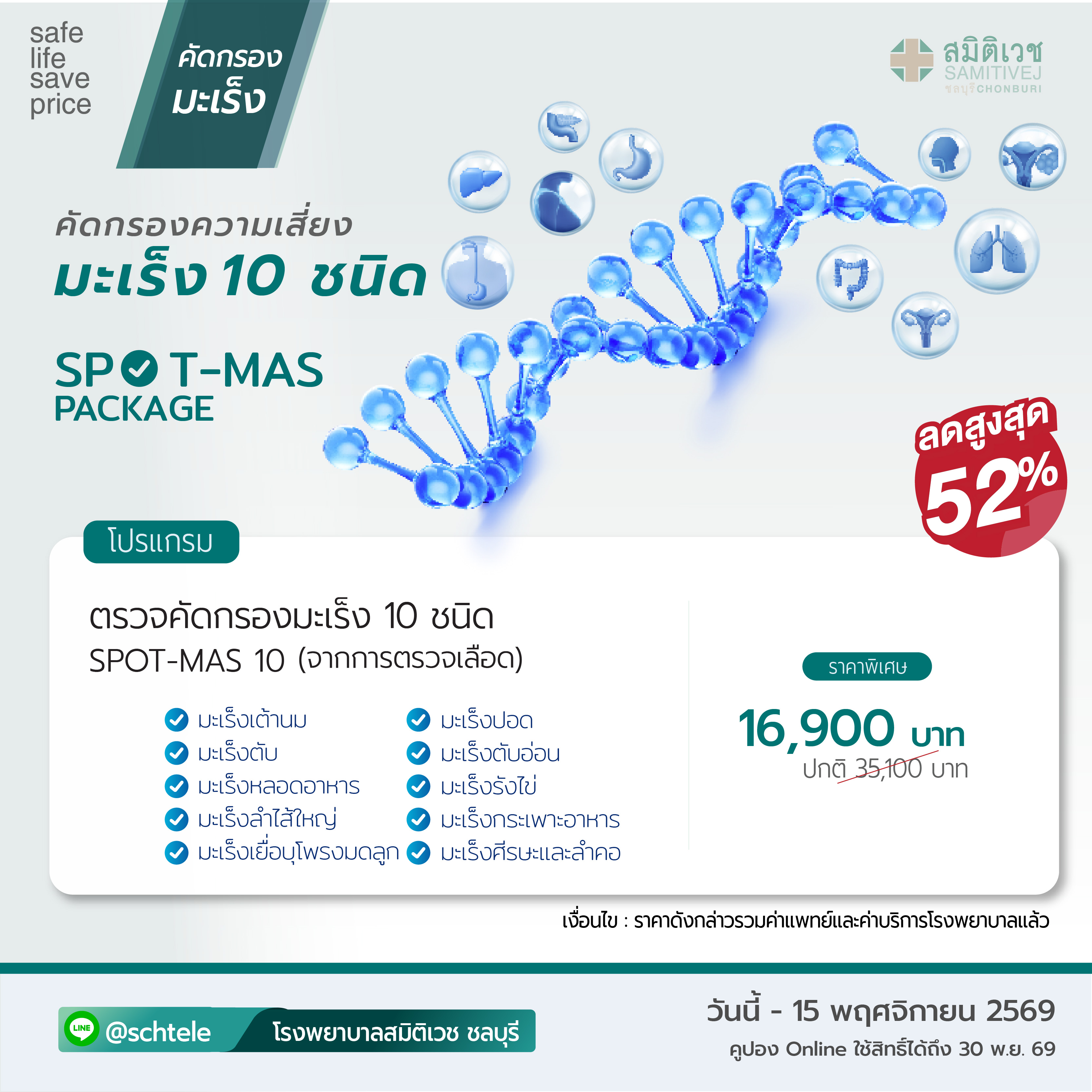
What Is SPOT-MAS?
SPOT-MAS is a blood-based cancer screening technology that analyzes Cell-Free DNA (cfDNA), which consists of genetic fragments circulating in the bloodstream. The test analyzes genetic patterns that may be associated with cancer and evaluates detected signals within the scope of the test.
SPOT-MAS can screen for abnormalities associated with up to 10 types of cancer, including:
- Liver and bile duct cancer
- Lung cancer
- Breast cancer
- Colorectal cancer
- Stomach cancer
- Pancreatic cancer
- Ovarian cancer
- Esophageal cancer
- Endometrial cancer
- Head and neck cancer
Who Should Consider SPOT-MAS?
- People aged 40 and above, who may have an increased risk of various types of cancer
- People aged 18 and above who are health-conscious and want an in-depth health assessment for long-term disease prevention
- People with a family history of cancer
- People who smoke or regularly consume alcohol