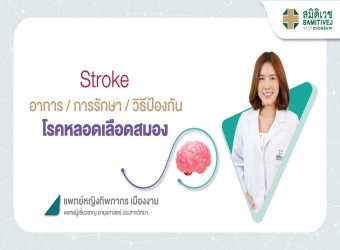
Stroke Awareness · Prevention Starts With Knowing
(Internal Medicine Center) article author : Admin 2026-08-20 16:24:00
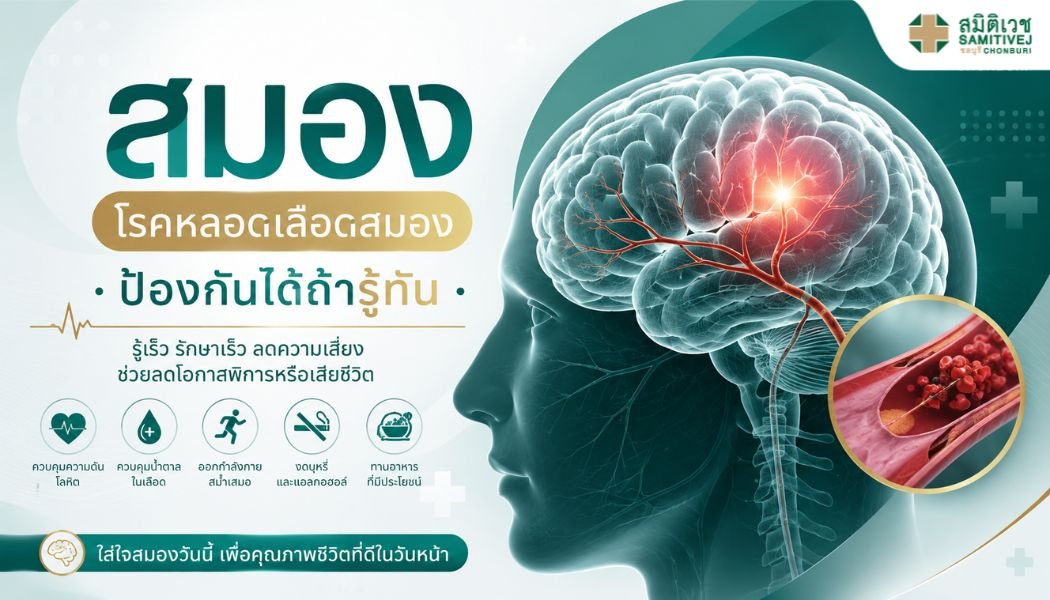
Ischemic Stroke: Warning Signs and Recommended Screening Tests
Understand the BE FAST warning signs and which screening tests catch risk early — before permanent brain damage occurs.
Ischemic stroke occurs when a blood vessel supplying the brain becomes blocked, cutting off oxygen and causing brain cells to begin dying within minutes. It's a medical emergency requiring the fastest possible treatment, and remains one of the leading causes of death and disability worldwide.
Warning Signs: Remember BE FAST
Symptoms usually appear suddenly. Even one sign is reason enough to seek emergency care right away.
Balance
Sudden dizziness, loss of balance, or difficulty walking with no other explanation.
Eyes
Sudden blurred vision, double vision, or loss of vision in one or both eyes.
Face
Facial drooping, especially on one side — one side of the mouth doesn't rise when smiling.
Arm
Sudden weakness or numbness in an arm or leg, usually on one side of the body.
Speech
Slurred speech, difficulty finding words, or trouble understanding others.
Time
Note the exact time symptoms started and get to a hospital immediately — it determines which treatments are possible.
Symptoms that resolve within 24 hours may indicate a Transient Ischemic Attack (TIA), or "mini-stroke." A TIA is a strong warning sign of significantly elevated risk for a full stroke soon after — see a doctor even if symptoms have already passed.
Recommended Screening Tests
Screening falls into two groups: general risk-factor checks, and specialized tests when a vascular problem is suspected.
Blood pressure measurement
High blood pressure is the single greatest risk factor for stroke and should be checked regularly.
Blood glucose testing
Screens for diabetes, which significantly raises stroke risk.
Lipid profile
Measures total cholesterol, LDL, HDL, and triglycerides.
Electrocardiogram (EKG/ECG)
Detects irregular heart rhythms, particularly atrial fibrillation, a major cause of clots that travel to the brain.
Carotid Duplex Ultrasound
Checks for narrowing or plaque buildup in the carotid arteries in the neck.
CT / MRI of the brain
Distinguishes ischemic from hemorrhagic stroke and can detect smaller or earlier lesions.
MRA / CTA and Echocardiogram
Visualizes narrowed brain vessels directly, and checks the heart as a possible source of clots.
Who Should Get Screened
Even without symptoms, the following groups should talk to a doctor about regular screening.
- Age 45 or older
- High blood pressure, diabetes, or high cholesterol
- Irregular heartbeat
- Regular smoking or alcohol use
- Overweight, obese, or inactive lifestyle
- Family history of stroke
- Prior history of TIA (temporary numbness or weakness)
- Chronic stress or poor sleep
Concerned about your risk?
Talk to a doctor to assess your risk and plan the screening tests that make sense for you.
Book a Stroke ScreeningThis article is for general educational purposes only and is not a substitute for diagnosis or advice from a qualified physician. If you notice symptoms that may indicate a stroke, seek emergency medical care immediately.





















 Hospital Articles