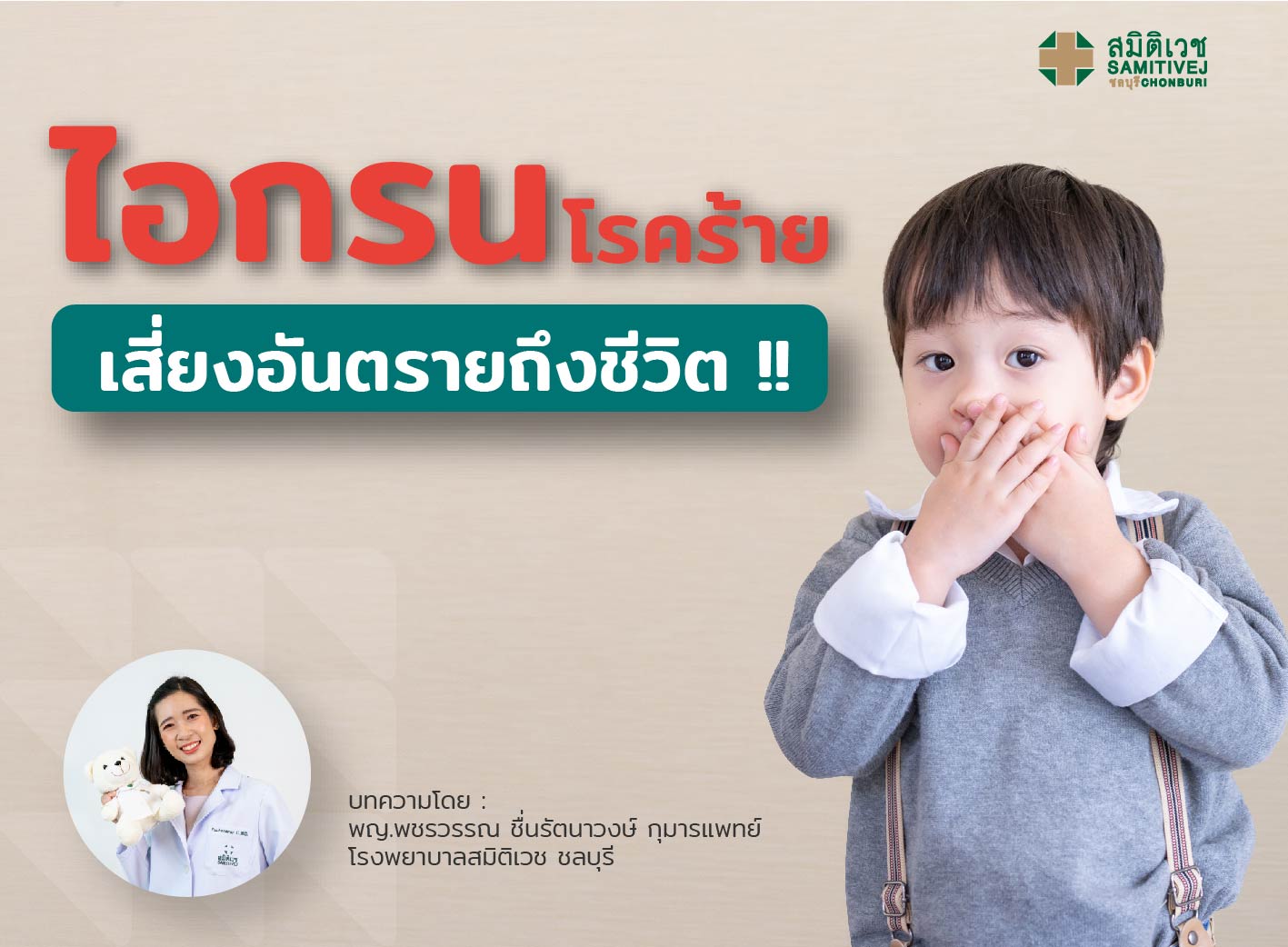
(Meningococcal Disease)
(Pediatrics Center) article author : Admin
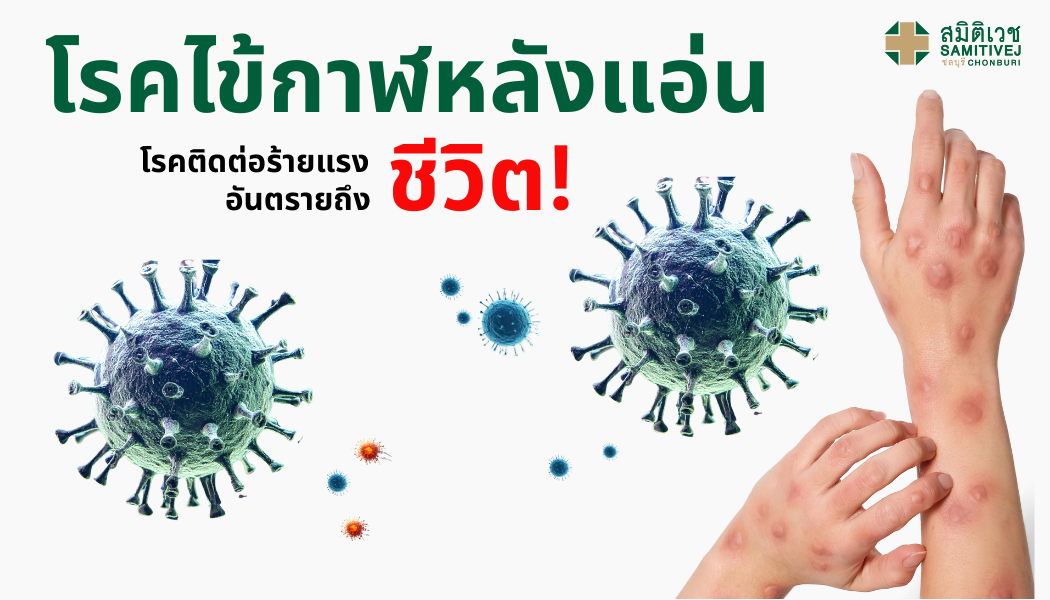
What is Meningococcal Disease? (Meningococcal Disease)
A serious infectious disease caused by the bacterium Neisseria meningitidis, which can lead to severe, rapidly progressing infection and may result in death within a short time.
Incubation Period
The incubation period is approximately 2–10 days (most commonly 3–4 days). Symptoms can worsen rapidly within a few hours.
Transmission
The disease spreads through respiratory droplets and close contact, such as:
-
Coughing
-
Sneezing
-
Contact with respiratory secretions (saliva, mucus, sputum)
Symptoms
Early symptoms may resemble the flu, including fever, sore throat, headache, and muscle aches. Severe symptoms may develop rapidly, such as:
-
Meningitis: high fever, stiff neck, vomiting, severe headache, confusion, loss of consciousness
-
Septicemia (bloodstream infection): high fever, purplish rash, cold hands/feet, shock, organ failure
-
In infants: irritability, poor feeding, lethargy
Severe Complications
-
Rapid disease progression with mortality rate of 10–15%
-
1 in 5 survivors may experience long-term complications
-
Possible limb loss due to severe infection
-
Brain damage affecting learning and memory
-
Hearing loss
-
Seizures and behavioral disorders
High-Risk Groups
-
Infants from 2 months of age (immature immune system)
-
Adolescents and university students in crowded environments (dormitories)
-
Immunocompromised individuals (HIV, organ transplant recipients, asplenia, immunosuppressive therapy)
Prevention
Prevention includes avoiding close contact with infected respiratory secretions and crowded environments. Vaccination is another important preventive option.
Types of Meningococcal Vaccines
1. Serogroup B (MenB) Vaccine
-
Common strain found in Thailand
-
Recommended from 2 months of age
-
Adolescents and students in dormitories
-
High-risk immunocompromised individuals
2. Serogroups A, C, W, Y Vaccine
-
Can be given from 12 months of age
-
Adolescents and dormitory residents
-
Immunocompromised individuals
-
Travelers to high-risk regions (Africa, Middle East, parts of Europe)
*Vaccination should be discussed with a physician for appropriate recommendations.*
Key Message:
Meningococcal disease is a rapidly progressing and potentially fatal infection. Even among survivors, 1 in 5 may experience long-term disabilities. Vaccination can help reduce the risk and severity of disease but does not provide 100% protection.
References
-
WHO. Meningococcal disease overview.
-
Ministry of Health New Zealand. Meningococcal disease guidance.
-
Pace & Pollard (2012). Vaccine journal.
-
CDC. Risk factors for meningococcal disease.




































 Hospital Articles