Preventing RSV in Newborns to Toddlers with Monoclonal Antibodies (Nirsevimab)
What is RSV ? Respiratory Syncytial Virus (RSV) is a common virus that causes respiratory tract infections, especially in infants and young children. Approximately 90% of children under 2 years of age will contract RSV at least once. RSV is a leading cause of bronchiolitis and pneumonia in children under 5 years old, particularly during the rainy and cooler seasons when outbreaks are more common.
16,888 THB / set
Normal Price 17,488 THB
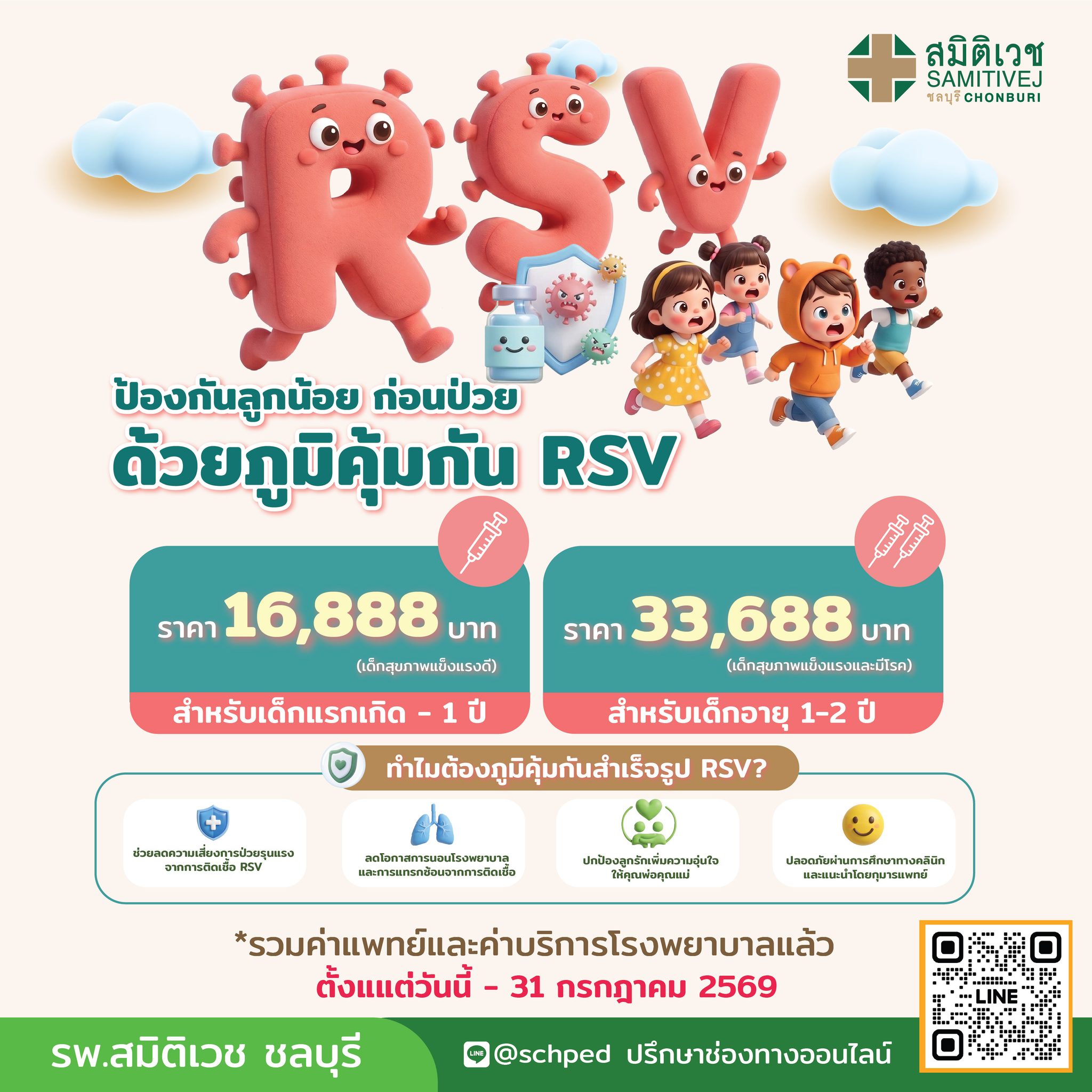
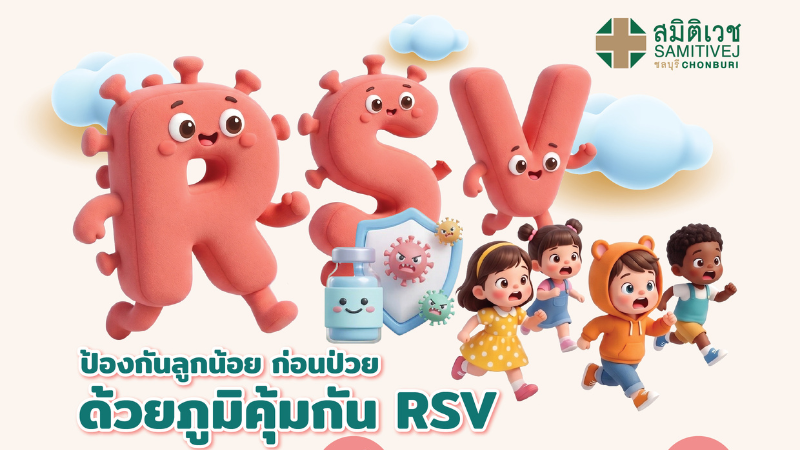
RSV Prevention for Newborns to 2-Year-Old Children with Nirsevimab
RSV: A Respiratory Virus Parents Should Know About
What is RSV ?
Respiratory Syncytial Virus (RSV) is a common virus that causes respiratory tract infections, especially in infants and young children. Approximately 90% of children under 2 years of age will contract RSV at least once. RSV is a leading cause of bronchiolitis and pneumonia in children under 5 years old, particularly during the rainy and cooler seasons when outbreaks are more common.
Symptoms of RSV Infection in Children
- Runny nose and cough
- Wheezing
- Fever
- Poor feeding or loss of appetite
- Decreased activity and playfulness
- Irritability or excessive crying
- Difficulty breathing or pauses in breathing
Warning Signs: Seek Medical Attention Immediately
- Rapid or labored breathing
- Severe cough or persistent wheezing
- Bluish lips or fingernails
- Flaring nostrils or chest retractions when breathing
- Fever above 38°C (especially in infants younger than 3 months)
Children under 1 year of age are at higher risk of severe illness and may not always show obvious symptoms. Prompt medical evaluation is recommended if any warning signs occur.
Protecting Against RSV with Nirsevimab
Nirsevimab is a long-acting monoclonal antibody that provides immediate protection against RSV. It helps reduce the risk of infection and severe RSV-related illness in infants and young children.
Effectiveness of Nirsevimab
- Reduces RSV infection risk by up to 79.5%
- Reduces RSV-related hospitalization from lower respiratory tract infections by 83.2%
- Reduces ICU admissions by 75.3%
- Provides protection for up to 5 months, covering a typical RSV season
Who Can Receive Nirsevimab?
First RSV Season
- Healthy infants from birth to 12 months of age
- Infants younger than 8 months are recommended to receive Nirsevimab
- Infants aged 8–12 months may also be considered
- High-risk infants, including:
- Premature infants with chronic lung disease
- Children with severe immunodeficiency
- Children with congenital heart disease requiring ongoing treatment
Second RSV Season
- Children up to 24 months of age who remain at high risk for severe RSV disease
- Children aged 12–19 months with risk factors for severe infection
- Selected high-risk children aged 19–24 months may also be considered
Recommended Dosage
- Infants weighing less than 5 kg: 50 mg (single intramuscular injection)
- Infants weighing 5 kg or more: 100 mg (single intramuscular injection)
- Children aged 12–24 months: 200 mg (administered as two intramuscular injections at separate sites)
Precautions
Nirsevimab should not be given to children with a history of severe allergic reactions to Nirsevimab or any of its ingredients, including arginine and histidine.
Benefits of RSV Immunization with Nirsevimab
- Helps reduce the risk of long-term respiratory complications such as asthma and recurrent wheezing
- Lowers healthcare costs and parental work absences
- Reduces the healthcare burden associated with RSV-related hospitalizations
Important Notes
- Nirsevimab can be administered alongside routine childhood vaccines without any waiting period.
- It may be given during the same visit as other vaccines, provided injections are administered at different sites.
Protecting infants and young children against RSV is an important step in reducing the risk of serious respiratory illness. Parents are encouraged to consult a pediatrician to determine whether Nirsevimab is appropriate for their child.
 LINE : @schtele