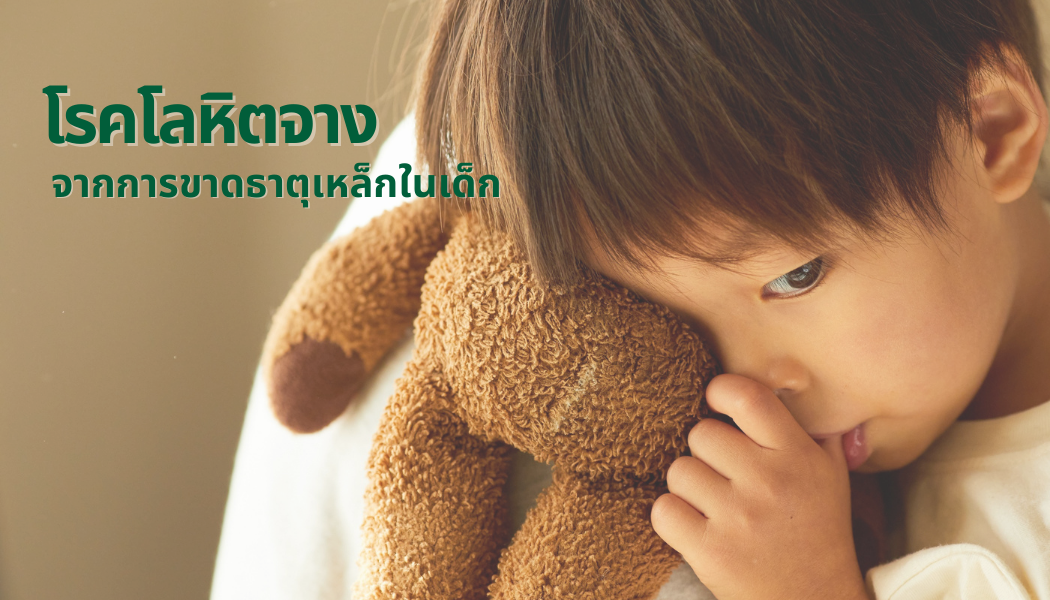
A condition that should not be overlooked as it affects a child’s development and learning ability
What is Iron Deficiency Anemia?
Iron deficiency anemia is a condition in which the number of red blood cells or hemoglobin levels are lower than normal due to insufficient iron in the body. Iron is an essential component of hemoglobin, which carries oxygen from the lungs to tissues throughout the body.
Causes in Children
Inadequate intake of iron-rich foods
Increased iron requirement during infancy, early childhood, and adolescence
Reduced iron absorption, such as inflammatory bowel disease or H. pylori infection
Blood loss, such as heavy menstruation or gastrointestinal bleeding
Rare genetic causes such as IRIDA
Common Symptoms
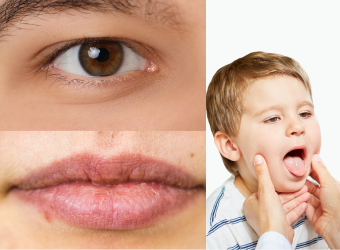
Pale skin, pale lips, pale conjunctiva
Fatigue, easy tiredness, rapid heartbeat
Spoon-shaped nails, angular stomatitis, smooth or swollen tongue
Pica (eating non-food items such as dirt, dust, or starch)
Lack of concentration, delayed development, dizziness
⚠️ If left untreated, it may affect brain development and learning ability in children
Diagnosis
Physical examination and vital signs
Blood tests to evaluate complete blood count and iron levels
Treatment
Iron supplementation (liquid or tablets)
Blood transfusion in severe cases
Dietary and nutritional counseling
Prevention
Consume iron-rich foods such as:
Meat and organ meats such as liver, blood, beef, pork
Seafood such as cockles, mussels, shrimp, tuna
Egg yolk
Green leafy vegetables and legumes such as spinach, kale, broccoli
Children at Risk Who Should Be Screened
Infants older than 6 months who are exclusively breastfed
Rapidly growing children
Premature or low birth weight infants
Children with congenital cyanotic heart disease
Children with perinatal blood loss
If you suspect your child has anemia, please consult a physician for proper diagnosis and follow treatment with regular blood monitoring.






































 Hospital Articles