Know H. pylori: A Major Cause of Gastritis and Stomach Cancer
(Gastrointestinal and Liver Center) article author : Admin 2026-05-21 10:18:00

HIGHLIGHTS :
• H. pylori is a type of bacteria that lives in the stomach lining and is a major cause of chronic gastritis.
• Common symptoms include stomach pain, bloating, indigestion, heartburn, frequent burping, nausea, and loss of appetite.
• If left untreated, H. pylori infection may increase the risk of stomach ulcers and gastric cancer.
• The infection can spread through contaminated food, drinking water, or sharing utensils with infected individuals.
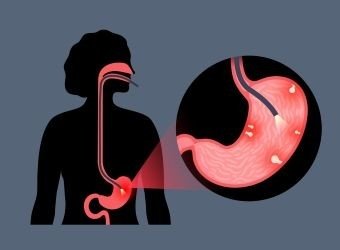
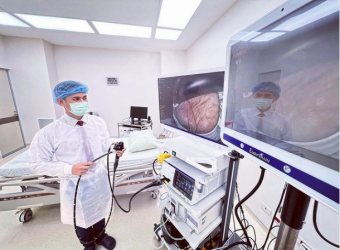
• H. pylori can be diagnosed through breath tests, blood tests, stool tests, or gastroscopy.
• Treatment usually involves a combination of antibiotics and acid-reducing medications under medical supervision.
• Prevention includes maintaining good hygiene, eating clean cooked food, using serving spoons, and washing hands regularly.

Know H. pylori: A Major Cause of Gastritis and Stomach Cancer
Many people experience stomach pain, bloating, heartburn, or frequent burping and assume it is just common gastritis. However, one important underlying cause could be H. pylori infection — a type of bacteria that can live in the stomach and lead to long-term health problems.
What is H. pylori?
H. pylori (Helicobacter pylori) is a type of bacteria that can enter the body through contaminated food, drinking water, or shared utensils such as spoons and glasses with an infected person. Once inside the stomach, the bacteria can cause inflammation of the stomach lining and may lead to several digestive diseases.
If left untreated for a long time, it may increase the risk of:
-
Chronic gastritis
-
Stomach ulcers
-
Duodenal ulcers
-
Stomach cancer
Symptoms You Should Not Ignore
Some people infected with H. pylori may not show obvious symptoms, but many may experience:

-
Pain or burning sensation in the upper abdomen
-
Bloating or fullness after meals
-
Nausea and frequent burping
-
Loss of appetite and weight loss
-
Black stools or blood in the stool
If these symptoms persist, it is important to seek medical evaluation for proper diagnosis.
How is H. pylori Diagnosed?
There are several methods available to diagnose H. pylori infection, including:
-
Urea Breath Test
-
Blood test
-
Stool test
-
Gastroscopy with tissue biopsy
Doctors will recommend the most appropriate test based on each patient’s symptoms and risk factors.
Treatment for H. pylori Infection
H. pylori infection can usually be treated with a combination of antibiotics and acid-reducing medications. Treatment typically lasts for 1–2 weeks and should be taken exactly as prescribed by the doctor to completely eradicate the bacteria.
After treatment, follow-up testing may be necessary to confirm that the infection has been fully cleared, especially in patients with chronic symptoms or increased risk of stomach disease.
How to Prevent H. pylori Infection
Although prevention is not always possible, the risk can be reduced by maintaining good hygiene habits, such as:
-
Washing hands before eating and after using the restroom
-
Eating clean and properly cooked food
-
Drinking clean water
-
Avoiding sharing utensils with others
-
Using serving spoons during shared meals









 Hospital Articles