Warning Signs of Osteoporosis
(Orthopedic Surgery Center) article author : Admin 2026-09-14 18:26:00
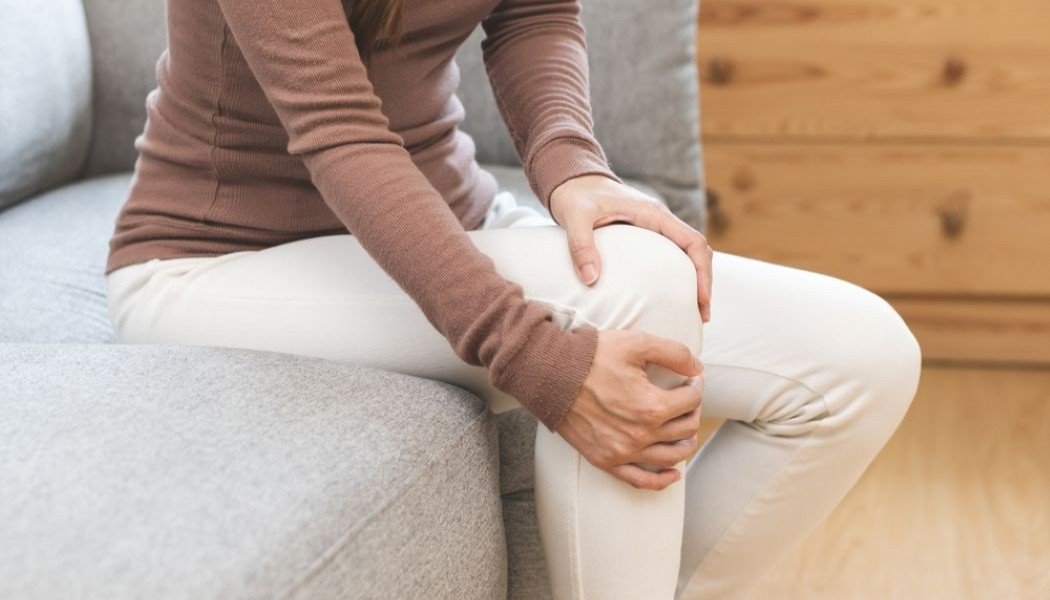
Early Warning Signs of Osteoporosis & What to Do About Them
Key Takeaways
- Osteoporosis is a bone disease where bone loss outpaces bone rebuilding, leaving bones more porous and more likely to break.
- It is often called a "silent disease" because there are usually no clear symptoms until a fracture occurs, which is why awareness of risk factors is important.
- Warning signs to watch for include a fracture from a minor fall, sudden back pain, gradual height loss, a stooped posture, and bones that break more easily than expected.
- Anyone with these signs, a relevant family history, or long-term risk factors such as corticosteroid use should talk to a doctor at Samitivej Chonburi Hospital about bone density testing.
Table of Contents
- What Are 5 Common Symptoms of Osteoporosis?
- When Should Osteoporosis Symptoms Be Treated as Urgent?
- What Causes Osteoporosis?
- Who Should Talk to a Doctor About Osteoporosis Screening?
- How Is Osteoporosis Diagnosed?
- What to Do If You Have Osteoporosis or Low Bone Density
- Osteoporosis Care at Samitivej Chonburi Hospital
- Frequently Asked Questions About Signs of Osteoporosis
Osteoporosis is a disease in which bone mineral density, bone mass, or bone structure declines over time. Healthy bone is constantly being remodeled: the body removes small amounts of old bone and replaces it with new bone. Osteoporosis develops when removal outpaces replacement, leaving bone more porous and fragile, thereby raising the risk of fracture.
[Image: A woman holding her aching lower back]
Osteoporosis usually has no symptoms in its early stages. The early warning signs of osteoporosis more often describe risk factors or physical changes that suggest a fracture may already have occurred, rather than symptoms felt during the early stages of bone loss.
What Are 5 Common Symptoms of Osteoporosis?
- A fragility fracture after a minor fall or everyday movement. A fracture from a fall at standing height or lower, in an adult over 50, can signal weakened bone strength.
- Sudden or persistent back pain. This can result from a compressed or fractured vertebra, and sudden back pain without a clear injury calls for medical attention.
- Gradual loss of height. Height loss over time can happen as weakened vertebrae compress or partially collapse.
- A stooped or hunched posture. Known medically as kyphosis, this posture often develops alongside spinal compression fractures.
- Bones that break more easily than expected. Most commonly at the hip, spine, or wrist, this usually indicates weakened bone or an existing fracture.
When Should Osteoporosis Symptoms Be Treated as Urgent?
Some signs of osteoporosis call for urgent evaluation. When you experience sudden, severe back pain, hip or groin pain following a fall, inability to stand or bear weight, or a visible limb deformity, it is important to seek a doctor's consultation right away. New numbness, weakness, or loss of bladder or bowel control alongside back pain, or breathing difficulty following a significant spinal deformity can also signal a medical emergency. After a fall, urgent evaluation is recommended if a person cannot move normally or there is reason to suspect a hip, wrist, or spinal fracture.
What Causes Osteoporosis?
Osteoporosis risk usually reflects a combination of factors rather than a single cause.
Age and natural changes in bone remodeling. Bone formation slows with age. Most people reach their highest bone mass and density by around age 30. Around age 40 or shortly after, bone breakdown begins to happen slightly faster than bone buildup.
Hormonal changes. Reduced estrogen after menopause and lower testosterone in men both affect bone density, and hormone-lowering treatments for breast or prostate cancer can accelerate the process.
Medical conditions. Rheumatoid arthritis, thyroid or parathyroid disorders, digestive conditions that affect nutrient absorption, chronic kidney or liver disease, and certain cancers or eating disorders can all contribute to bone loss.
Medications that may weaken bones. These include long-term corticosteroid use, certain cancer treatments, some anti-seizure medications, and excess thyroid hormone medication.
Lifestyle-related factors. Low physical activity, smoking, heavy alcohol intake, low calcium or vitamin D intake, and very low body weight can all raise osteoporosis risk.
Who Should Talk to a Doctor About Osteoporosis Screening?
Consult with an orthopedic doctor or bone specialist about the need for an osteoporosis screening if you have:
- Experienced a fracture after age 50
- Lost height or developed a stooped posture
- Had early menopause
- Long-term corticosteroid use
- Sudden, unexplained back pain
- Height loss or posture changes
- Received hormone-reducing cancer treatment
- Repeated falls or balance problems
- Been previously diagnosed with osteopenia
- A family history of osteoporosis or hip fracture
Screening recommendations vary by age, sex, medication history, and fracture risk.
How Is Osteoporosis Diagnosed?
Diagnosis starts with a medical history and fracture-risk assessment, covering previous fractures, family history, menopause and hormonal history, medications, diet, activity level, smoking and alcohol use, and any history of falls. A physical exam follows, checking height, posture, spinal alignment, balance, walking ability, and any signs of previous fractures.
Bone mineral density testing, most often a dual-energy X-ray absorptiometry scan (DXA or DEXA), measures bone density, typically at the hip and spine. Additional tests may include blood work for calcium, vitamin D, thyroid function, or secondary causes, plus X-rays for a suspected fracture or other imaging where clinically indicated.
What to Do If You Have Osteoporosis or Low Bone Density
Build a medical care plan. Review fracture risk with a specialist, identify any underlying conditions or medications contributing to bone loss.
Get enough calcium and vitamin D. Food-first sources are generally preferred where possible, and any supplement use should follow medical advice.
Stay physically active. Weight-bearing activities such as walking, resistance training, balance exercises, and posture or back-strengthening work all support bone health, depending on individual fracture risk and physical ability.
Reduce the risk of falls. This can mean reviewing eyesight and medications, improving home lighting, removing trip hazards, choosing stable footwear, and adding handrails and support where needed.
Stop smoking and limit alcohol. Both are linked to weaker bone health over time.
Take prescribed medication correctly. Osteoporosis medications work in different ways; some slow bone loss, and others help build new bone, so following your doctor's advice is key.
[Image: A doctor explaining a patient's bone density acne results]
Osteoporosis Care at Samitivej Chonburi Hospital
Samitivej Chonburi Hospital's Orthopedic Surgery Center evaluates bone pain, fractures, and mobility changes, and offers bone mineral density testing alongside a full assessment of osteoporosis and fracture risk. Your doctor reviews contributing medical conditions and medications as part of that assessment, then builds a treatment plan suited to the individual's bone density results and risk profile.
Care extends beyond diagnosis to fracture care, physiotherapy, balance training, and rehabilitation, plus practical fall-prevention guidance. Because the center is hospital-based, patients also have coordinated access to other specialists when needed. Lost bone cannot always be fully restored, but treatment can improve bone strength, slow further loss, and reduce fracture risk going forward.
Frequently Asked Questions About Signs of Osteoporosis
How does osteoporosis affect bones?
Osteoporosis lowers bone mineral density and weakens bone structure, leaving bone more porous and more likely to fracture. It develops when the body breaks down old bone faster than it rebuilds new bone, so the skeleton gradually loses strength over time.
Is osteoporosis the same as bone loss?
Not every case of bone loss is osteoporosis. Some bone loss is a normal part of aging, and a milder stage, called osteopenia, lies between normal bone density and osteoporosis. Osteoporosis specifically refers to bone loss advanced enough to meet a diagnostic threshold and carry a real fracture risk.
Can Osteoporosis Symptoms Be Prevented?
Not every case of osteoporosis can be prevented, but many people can meaningfully reduce their risk. Building bone-health habits through adequate nutrition, regular weight-bearing and resistance exercise, and maintaining a healthy body weight all support bone strength over a lifetime. For people with strong risk factors, an earlier assessment makes it possible to catch changes before they progress.
Can osteoporosis be reversed once it is diagnosed?
Bone that has already been lost cannot always be fully rebuilt, but treatment can improve bone strength, slow further bone loss, and lower fracture risk. The realistic goal for most patients is to stabilize and strengthen bone rather than fully restore it.
Does everyone with osteopenia go on to develop osteoporosis?
No. Osteopenia means bone density is lower than normal but not low enough to meet the diagnostic threshold for osteoporosis, and not everyone with osteopenia progresses further. Regular monitoring and bone-healthy habits help track and manage that risk over time.
What age should someone get their first bone density test?
The right age depends on sex, risk factors, and medical history, so it is best discussed directly with a doctor. People with specific risk factors, such as early menopause, long-term corticosteroid use, or a prior fracture, may be tested earlier than someone without those factors.
Can men develop osteoporosis too?
Yes. Osteoporosis is more common in women, but men, especially those over 65, can develop it as well, and the same screening and treatment principles generally apply.
Can I get a bone density test at Samitivej Chonburi without a referral?
Patients can contact the Orthopedic Surgery Center directly to ask about a bone health consultation and bone density testing, without needing a prior referral.
References:
- Osteoporosis. Retrieved on 27 August 2026 from https://www.nhs.uk/conditions/osteoporosis/
















































 Hospital Articles