 Health articles
-
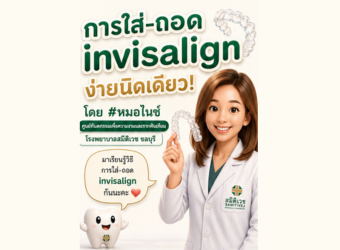
Wearing and Removing Invisalign Made Easy! By Dr. Nice
✔ How to Wear Invisalign Correctly Insert your aligners properly and wear them for 20–22 hours a day to achieve the best treatment outcome. ✔ Proper Way to Remove Invisalign Gently remove the aligners from the back teeth and take them out only when eating.Read more -
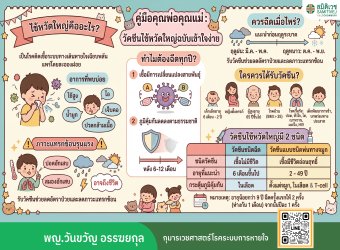
A Parent’s Guide: Understanding the Influenza Vaccine
Influenza is a contagious respiratory infection that can cause serious complications such as pneumonia and encephalitis. Annual vaccination is recommended because flu viruses change over time and immunity decreases after 6–12 months. The best time to get vaccinated is before the flu season, typically during March–May and October–November. High-risk groups include young children, pregnant women, older adults, people with obesity, chronic diseases, and children with developmental or neurological disorders. Two vaccine options are available: injectable (inactivated) and intranasal (live attenuated) vaccines. Children under 9 years old receiving their first flu vaccine need two doses, one month apart, followed by annual vaccination.Read more -
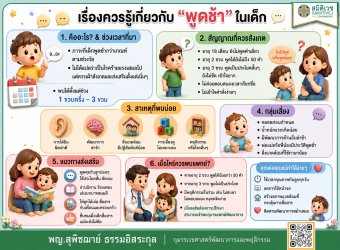
Things to Know About Speech Delay in Children
- Speech delay is commonly observed in children between 18 months and 3 years of age. - Early warning signs include limited vocabulary, poor response to their name, and difficulty understanding simple instructions. - Common causes may involve hearing problems, developmental delays, or limited interaction and stimulation. - Early support and language stimulation can help improve communication skills and overall development. - Children who speak fewer than 50 words at age 2 or cannot form sentences by age 3 should be evaluated by a doctor. - Spending quality time with your child and limiting screen time are essential for healthy speech and language development.Read more -
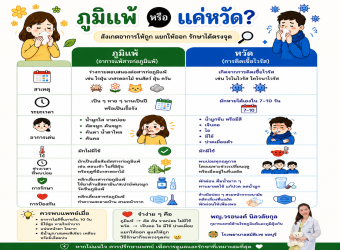
Allergy or Just a Common Cold?
Although allergies and the common cold share similar symptoms, their causes and treatments are different. Recognizing the symptoms can help you receive the right care. - Allergies : Clear runny nose, frequent sneezing, nasal congestion, itchy eyes, and itchy throat. Fever is uncommon, and symptoms may come and go. - Common Cold : Thick or colored nasal discharge, sore throat, cough, fever, and body aches. Symptoms usually improve within 7–10 days.Read more -

Know H. pylori: A Major Cause of Gastritis and Stomach Cancer
• H. pylori is a type of bacteria that lives in the stomach lining and is a major cause of chronic gastritis. • Common symptoms include stomach pain, bloating, indigestion, heartburn, frequent burping, nausea, and loss of appetite. • If left untreated, H. pylori infection may increase the risk of stomach ulcers and gastric cancer. • The infection can spread through contaminated food, drinking water, or sharing utensils with infected individuals. • H. pylori can be diagnosed through breath tests, blood tests, stool tests, or gastroscopy. • Treatment usually involves a combination of antibiotics and acid-reducing medications under medical supervision. • Prevention includes maintaining good hygiene, eating clean cooked food, using serving spoons, and washing hands regularly.Read more -
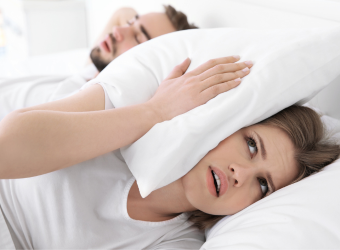
How Serious Does Snoring Have to Be Before You Should See a Doctor?
Loud snoring does not always mean it is harmless. It may be a sign of Obstructive Sleep Apnea (OSA). If snoring suddenly becomes silent, as if breathing stops during sleep, a sleep test is strongly recommended. OSA reduces oxygen levels in the body and increases the risk of heart disease, stroke, high blood pressure, and daytime fatigue. Waking up feeling unrested, morning headaches, dry mouth, excessive daytime sleepiness, and poor concentration may be warning signs of sleep apnea. Frequently waking up at night, choking sensations, or gasping for air during sleep should not be ignored. People who snore and are overweight, have a large neck circumference, are over 50 years old, or have high blood pressure are at higher risk for OSA. The STOPBANG questionnaire is a simple screening tool. A score of 3 or more suggests a higher risk and the need for further evaluation. A sleep study (Sleep Test) is the most accurate way to diagnose sleep apnea. Home sleep testing may be convenient and faster for some patients, but it may not be suitable for individuals with certain underlying medical conditions. Untreated sleep apnea can negatively affect long-term health, daily performance, and overall quality of life.Read more