Hives in Children: Causes, Symptoms, and Treatment
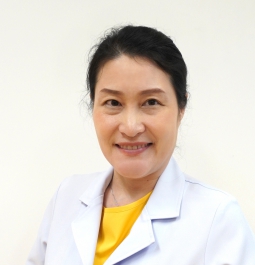
(Pediatrics Center) article author : On-anong Nilwalaikul, M.D. 2026-06-17 14:28:00
HIGHLIGHTS
Hives in Children: Causes, Symptoms, and Treatment
Hives in children are a common skin condition characterized by itchy, red, raised welts that can appear suddenly and usually disappear within 24–48 hours. Common triggers include food allergies, medications, infections, insect bites, dust mites, and pollen. Most cases are mild and resolve on their own, but recurrent symptoms lasting longer than six weeks may indicate chronic urticaria. Treatment focuses on avoiding triggers and using antihistamines to relieve itching. Seek immediate medical attention if your child experiences facial swelling, severe abdominal pain, or difficulty breathing. Proper skin care and allergen avoidance can help reduce the risk of future flare-ups.
Hives in Children
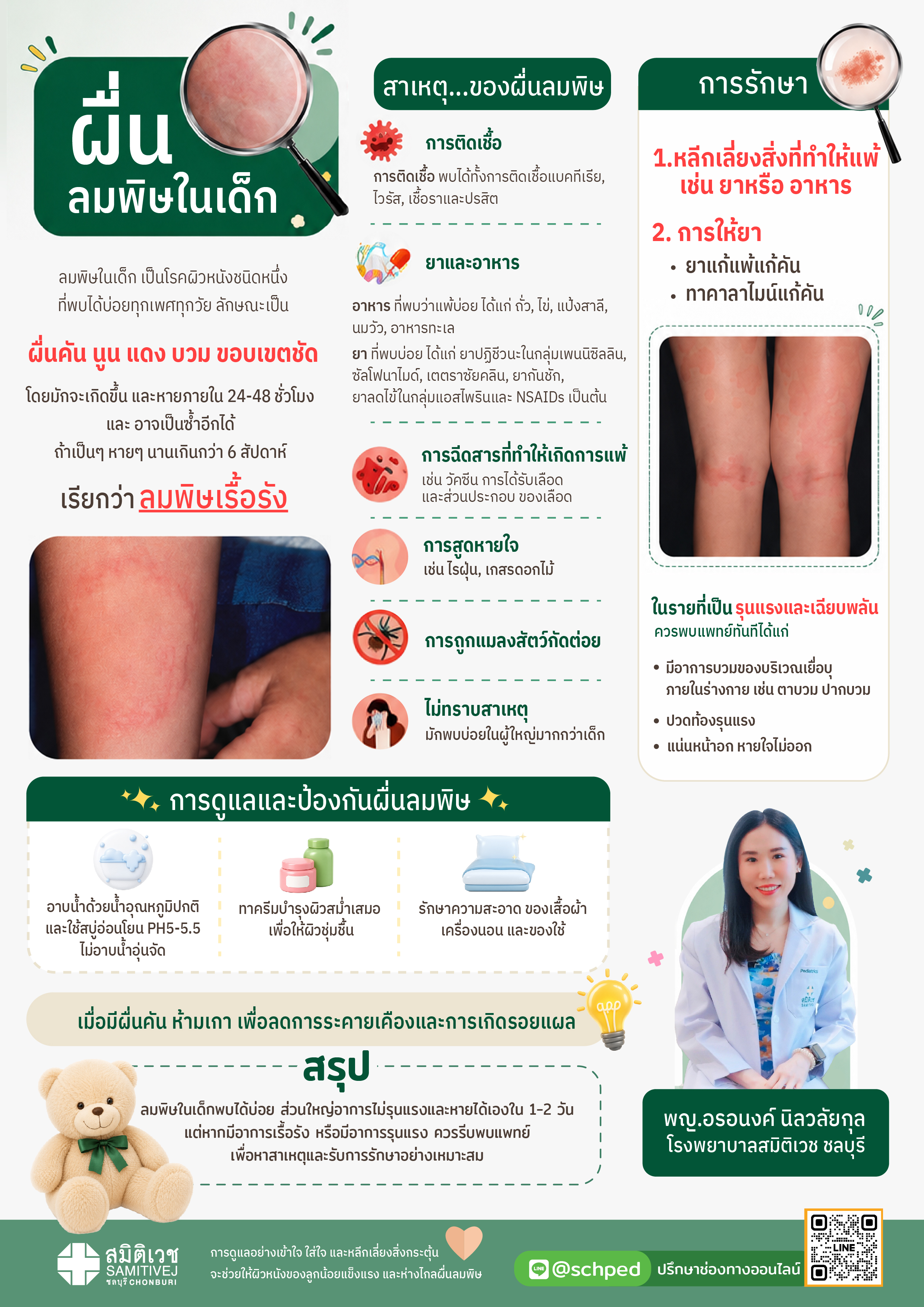
Hives (urticaria) are a common skin condition that can occur in children of all ages.
They typically appear as:
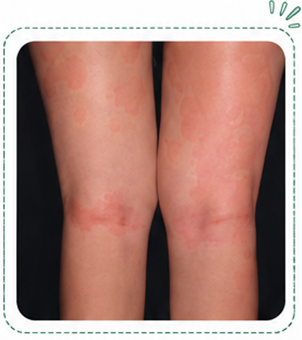
Itchy, raised, red, swollen welts with well-defined borders.
The rash usually develops suddenly and resolves within 24–48 hours, although it may recur.
If hives come and go for more than 6 weeks, the condition is called chronic urticaria (chronic hives).
Causes of Hives
Infections
Hives may be triggered by infections caused by:
- Bacteria
- Viruses
- Fungi
- Parasites
Foods and Medications
Common food triggers:
- Peanuts and other nuts
- Eggs
- Wheat
- Cow’s milk
- Seafood
Common medication triggers:
- Penicillin antibiotics
- Sulfonamides
- Tetracyclines
- Anti-seizure medications
- Aspirin and other NSAIDs
Allergic Reactions to Injected Substances
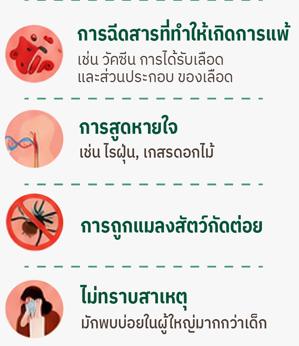
Examples include:
- Vaccines
- Blood transfusions
- Blood products
Inhaled Allergens
Examples include:
- Dust mites
- Pollen
Insect Bites and Stings
Unknown Causes
Cases with no identifiable cause are more common in adults than in children.
Treatment
1. Avoid Triggers
Avoid substances that may cause allergic reactions, such as certain foods or medications.
2. Medications
- Antihistamines to relieve itching and allergic symptoms
- Calamine lotion to help reduce itching
Seek Immediate Medical Attention if Symptoms Are Severe or Acute:
- Swelling of mucous membranes, such as swollen eyes or lips
- Severe abdominal pain
- Chest tightness or difficulty breathing
Care and Prevention
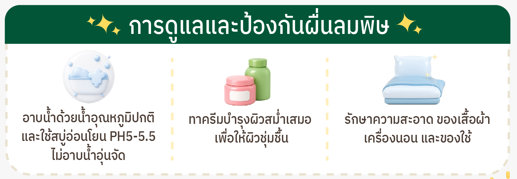
- Bathe with lukewarm or room-temperature water.
- Use a mild cleanser with a pH of 5–5.5.
- Avoid very hot baths.
- Apply moisturizer regularly to keep the skin hydrated.
- Keep clothing, bedding, and personal items clean.
If itching occurs, avoid scratching to reduce irritation and prevent skin damage.
Summary
Hives are common in children. Most cases are mild and resolve on their own within 1–2 days. However, if symptoms persist, recur frequently, or become severe, consult a healthcare professional to identify the cause and receive appropriate treatment.
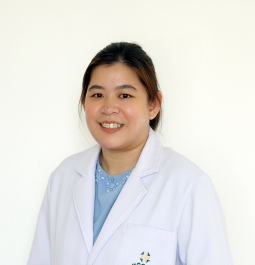
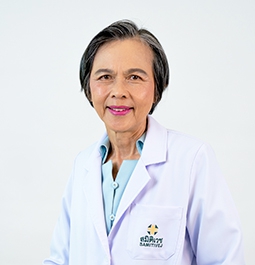
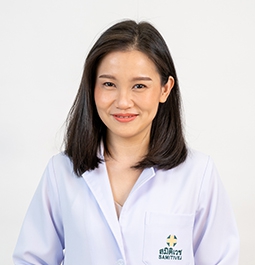
Dr. Oranong Niwlaikul
Samitivej Chonburi Hospital
Understanding proper skin care, paying attention to triggers, and avoiding allergens can help keep your child's skin healthy and reduce the risk of hives.



















 Hospital Articles