Prevent RSV in newborns and children aged 2 years with ready-to-use immunotherapy (Nirsevimab).
(Pediatrics Center) article author : Admin 2026-08-26 15:07:00
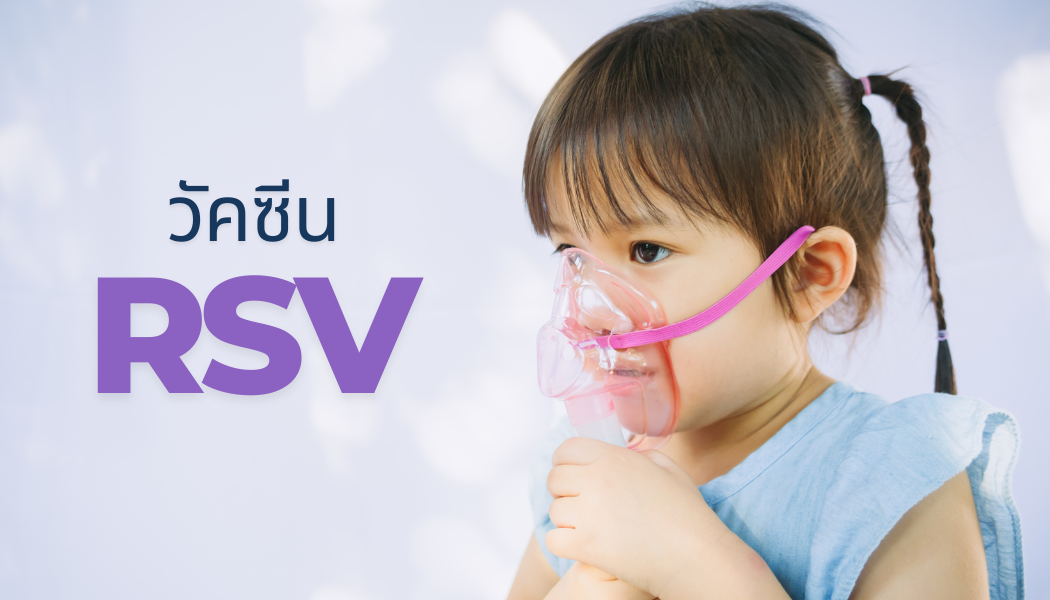
Preventing RSV in Newborns to Toddlers with Monoclonal Antibodies (Nirsevimab)
Preventing RSV in Infants and Toddlers Using Monoclonal Antibodies (Nirsevimab)
Understanding RSV: A Common Respiratory Virus Parents Should Know About
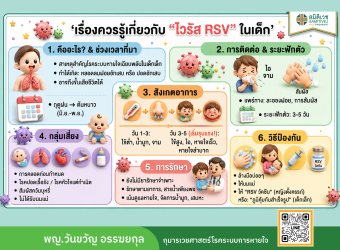
What is RSV?
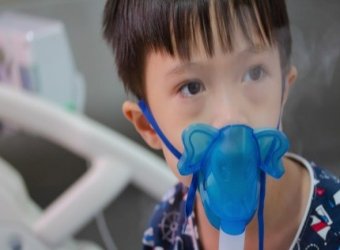
Respiratory Syncytial Virus (RSV) is a common virus that causes respiratory tract infections, particularly in young children. Studies show that approximately 90% of children under 2 years of age are infected with RSV at least once, and more than 50% of those affected may require hospitalization due to severe symptoms or complications. The virus is especially prevalent during the rainy and winter seasons. RSV is a leading cause of pneumonia and bronchiolitis in children under the age of 5 and spreads rapidly through respiratory droplets.
Symptoms of RSV Infection in Children
• Begins with cold-like symptoms such as a runny nose, cough, and wheezing
• Fever
• Poor appetite or feeding difficulties
• Decreased activity or playfulness
• Irritability or excessive crying
• Labored or intermittent breathing
Severe Symptoms Requiring Immediate Medical Attention
• Rapid or shallow breathing
• Persistent wheezing or severe coughing
• Bluish discoloration of the lips or nails
• Nasal flaring or chest wall retractions during breathing
• High fever (above 38°C), particularly in infants under 3 months old
Parents should seek immediate medical care if any of the above symptoms occur, especially in infants under 1 year of age, who are at higher risk and may exhibit subtle or atypical symptoms.
RSV Prevention with Monoclonal Antibody (Nirsevimab)
A highly effective preventive approach now available involves the use of Nirsevimab, a long-acting monoclonal antibody that provides immediate protection against RSV by neutralizing the virus.
Effectiveness of Nirsevimab
• Reduces the risk of RSV infection by up to 79.5%
• Lowers the risk of hospitalization due to lower respiratory tract infection from RSV by up to 83.2%
• Decreases ICU ventilator use by 75.3%
• Provides protection for up to 5 months, covering the peak RSV season
Eligibility for RSV Monoclonal Antibody Administration
First RSV Season
• All healthy infants from birth to 12 months of age
• Infants under 8 months should routinely receive the injection; those aged 8–12 months may be considered based on individual risk factors
• High-risk infants include:
• Premature infants with chronic lung disease
• Children with severe immunodeficiency
• Children with congenital heart disease undergoing treatment
Second RSV Season
• Children from birth to 24 months who remain at high risk for severe RSV infection
• Children aged 12–19 months with underlying risk factors
• Children 19–24 months may be considered if they remain at elevated risk
Recommended Dosage
• Infants weighing < 5 kg: 50 mg intramuscular injection (single dose)
• Infants weighing > 5 kg: 100 mg intramuscular injection (single dose)
• Children aged 12–24 months: 200 mg administered intramuscularly in two injection sites



































 Hospital Articles