Pneumonia
(Pediatrics Center) article author : Wankwan Ak-kayakul, M.D. 2026-07-21 15:13:00
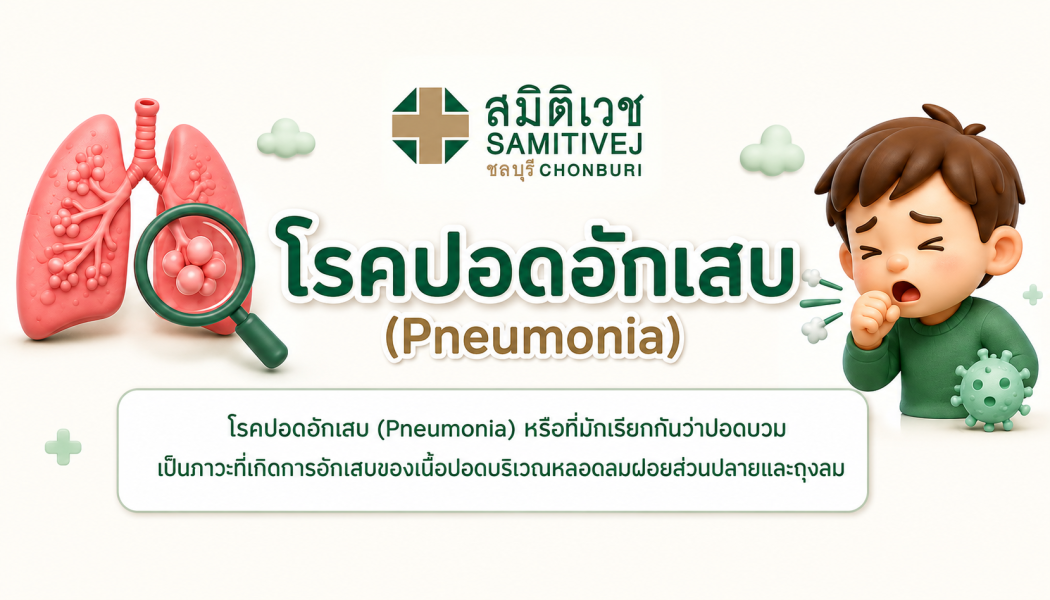
Pneumonia – Key Highlights
- Pneumonia is an infection that causes inflammation of the lung tissue, making breathing difficult. Without prompt treatment, it can become severe.
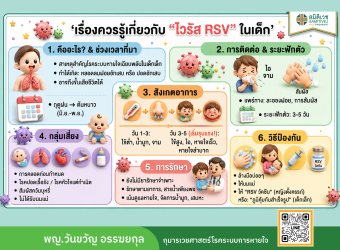
- Common causes include viruses (RSV, influenza, and parainfluenza), bacteria (especially Streptococcus pneumoniae), as well as fungi and Mycoplasma.
- Key symptoms include fever, cough with phlegm, rapid breathing, shortness of breath, flaring nostrils, and chest retractions, particularly in children.
- Warning signs: If a child has a cough accompanied by difficulty breathing, rapid or labored breathing, or noisy breathing, seek medical attention immediately.
- Treatment depends on the underlying cause and may include antibiotics, antiviral medications, and supportive care such as oxygen therapy, fever reducers, and adequate hydration.
- Prevention includes frequent handwashing, avoiding close contact with sick individuals and cigarette smoke, and staying up to date with recommended vaccinations, including influenza, pneumococcal (IPD), and Hib vaccines, to reduce the risk of infection and complications.
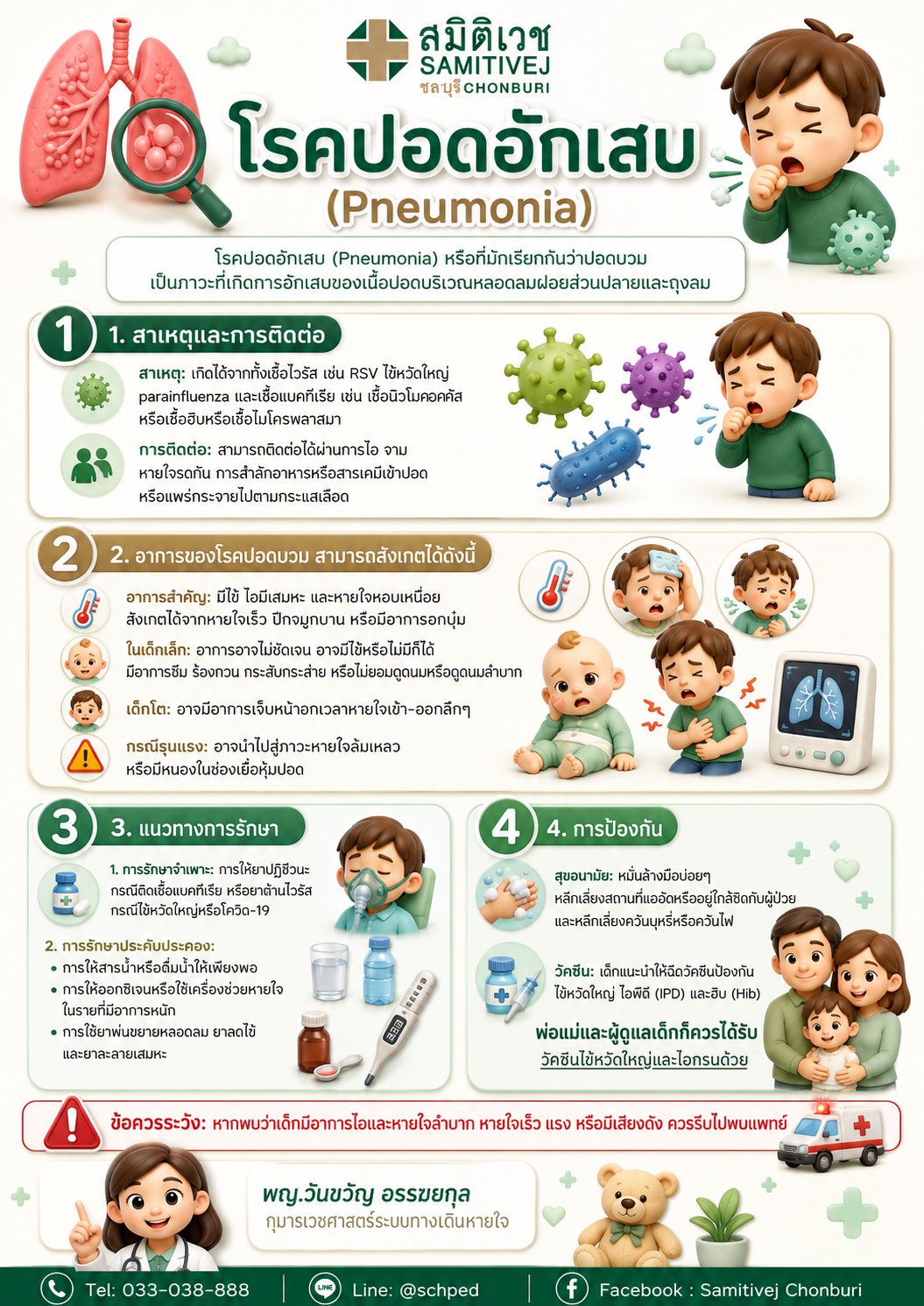
Pneumonia
Pneumonia is an infection that causes inflammation of the lung tissue, particularly the small airways (bronchioles) and air sacs (alveoli). It is commonly referred to as a lung infection.
1. Causes and Transmission
Causes
Pneumonia can be caused by viruses, bacteria, fungi, or Mycoplasma.
Common viral causes include:
- Respiratory Syncytial Virus (RSV)
- Influenza (Flu)
- Parainfluenza virus
Common bacterial cause:
- Streptococcus pneumoniae (Pneumococcus)
Other causes include fungal infections and Mycoplasma species.
Transmission
Pneumonia can spread through:
- Coughing or sneezing
- Close contact with an infected person (respiratory droplets)
- Aspiration of food, liquids, or chemicals into the lungs
- Spread through the bloodstream (in some cases)
2. Signs and Symptoms
Common Symptoms
✅ Fever
✅ Cough with phlegm (productive cough)
✅ Shortness of breath
✅ Rapid breathing
✅ Flaring nostrils
✅ Chest retractions (the chest sinks inward during breathing)
Symptoms in Infants and Young Children
Symptoms may be less obvious. They may include:
- Fever or sometimes no fever
- Lethargy or unusual sleepiness
- Persistent crying or irritability
- Restlessness
- Poor feeding or difficulty breastfeeding
Symptoms in Older Children
- Chest pain, especially when taking deep breaths
Severe Cases
Pneumonia may lead to:
- Respiratory failure
- Pus accumulation in the pleural space (empyema)
3. Treatment
1. Specific Treatment
- Antibiotics for bacterial pneumonia
- Antiviral medications for influenza or COVID-19 when appropriate
2. Supportive Care
- Drink plenty of fluids or receive intravenous fluids if needed
- Oxygen therapy or mechanical ventilation for severe cases
- Bronchodilator inhalation therapy (when indicated)
- Fever-reducing medications
- Mucus-thinning (expectorant) medications
4. Prevention
Good Hygiene
✅ Wash your hands frequently.
✅ Avoid crowded places and close contact with sick individuals.
✅ Avoid exposure to cigarette smoke and other forms of smoke.
Vaccination
Children are recommended to receive vaccines against:
- Influenza
- Pneumococcal disease (IPD)
- Haemophilus influenzae type b (Hib)
Parents and caregivers are also encouraged to receive influenza and COVID-19 vaccines.
Warning Signs
If your child develops a cough accompanied by difficulty breathing, rapid breathing, labored breathing, or noisy breathing, seek medical attention immediately.
Acknowledgement
Dr. Wankwan Aunsayakul
Pediatric Pulmonologist (Pediatric Respiratory Medicine)
Contact Information
Tel: +66 33 038 888
LINE: @schped
Facebook: Samitivej Chonburi





































 Hospital Articles